Find Top Retractable Awning Installers Near Me for Your Home
Looking for ways to make your home’s outdoor areas more comfortable and stylish? Adding an awning is a great idea, especially if you’re dealing with a lot of sun. But finding the right people to install it can feel like a chore. You want someone reliable, skilled, and close by. This guide will help you figure out what to look for when searching for retractable awning installers near me, so you can get the best shade solution for your home.
Key Takeaways
- When looking for retractable awning installers near me, check for local companies that understand your area’s climate and needs. This often means quicker service and easier communication.
- Experience really counts. Look for installers with a solid history and examples of their past work, especially if they’ve done similar projects to yours.
- Always make sure your chosen installer is licensed and insured. This protects you and your property in case anything unexpected happens during the job.
- Don’t forget to read online reviews and testimonials. They give you a good idea of what to expect regarding customer service, quality, and how professional the installers are.
- Get a detailed estimate upfront. A clear breakdown of costs, including materials and labor, helps avoid surprises and ensures you’re making an informed decision.
1. Retractable Awnings
Retractable awnings are a super popular choice for homeowners who want some shade but also like to have the option of full sun. You know, like when you want to enjoy a nice day but the sun is just beating down too hard on your patio or deck. These things let you pull them out when you need them and tuck them away when you don’t. It’s pretty handy.
People often decide to get one when they realize their outdoor space is just too hot to use during the summer. Maybe you’ve got a deck that faces south or west, and it just becomes an oven. Or perhaps you’re just doing some home improvements and decide an awning would be a nice addition. Sometimes, seeing a neighbor’s awning makes you think, ‘Hey, that looks pretty good, maybe I need one too.’
Here are a few reasons why folks go for retractable awnings:
- Adjustable Shade: You can extend them for shade or retract them to let the sun in. It’s all about control.
- Protecting Outdoor Furniture: Keeping your patio cushions and furniture out of the direct sun can help them last longer.
- Creating Usable Outdoor Space: Makes your patio or deck more comfortable for relaxing or entertaining, even on sunny days.
- Aesthetic Appeal: Modern designs can really add a nice touch to your home’s exterior.
While they offer great flexibility, it’s important to remember that retractable awnings aren’t meant to withstand really strong winds or heavy rain. Most have limits, and it’s best to retract them when the weather turns sour to avoid damage. Always check the manufacturer’s recommendations for wind and rain tolerance.
They come in different types, too. Some are manual, meaning you crank them out, and others are motorized, which is a bit more convenient if you have a larger awning or just prefer pushing a button. You can find them in all sorts of fabrics and colors to match your house.
2. Stationary Awnings
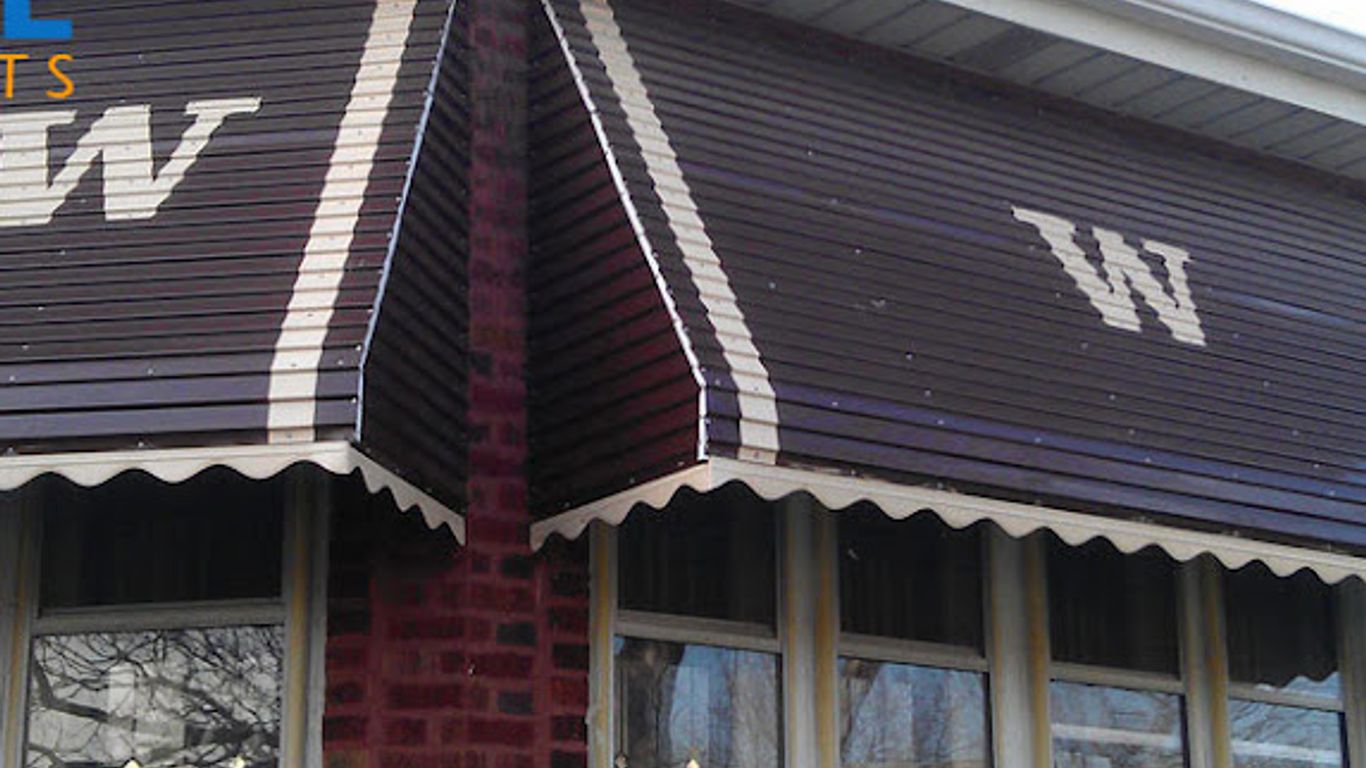
Stationary awnings, also called fixed awnings, are a classic choice for adding permanent shade and a touch of architectural style to your home. Unlike their retractable cousins, these awnings are built to stay put year-round, offering reliable protection from the sun and light rain. They’re a great option if you want a consistent look and don’t need the flexibility to change your shaded area.
These awnings are particularly good for areas that need constant shade, like over a front door or a large picture window that gets a lot of direct sun. They can really help cut down on how much heat builds up inside your house during the summer, which might even save you a bit on your energy bills. Plus, they add a finished look to the exterior of your home.
When you’re looking at stationary awnings, you’ll find they come in a variety of shapes and materials. You can get everything from simple, flat designs to more decorative domed or arched styles. Common materials include durable aluminum, steel, or even treated canvas. The key benefit is their steadfast presence, offering dependable shade and weather protection without any fuss.
Here’s a quick look at what makes them a solid choice:
- Permanent Shade: Always there when you need it, providing consistent shade.
- Energy Savings: Helps reduce cooling costs by blocking direct sunlight from entering your home.
- Architectural Enhancement: Adds a finished, stylish look to your home’s exterior.
- Durability: Built to withstand the elements, offering long-term protection.
Stationary awnings are a practical and attractive way to improve your home’s comfort and appearance. They provide a reliable shield against the sun and weather, making outdoor spaces more enjoyable and helping to keep indoor temperatures more stable. They’re a low-maintenance solution for homeowners looking for lasting shade.
When considering stationary awnings, think about how they’ll fit with your home’s overall design. Many installers can help you choose a style and material that complements your house’s architecture. For example, custom awnings in Chicago can be designed to perfectly match your home’s aesthetic, whether it’s modern or traditional.
3. Metal Awnings
When you’re thinking about awnings, metal ones might not be the first thing that pops into your head, but they’re actually a really solid choice for a lot of homes. They’re super durable, which is a big plus, especially if you live somewhere with rough weather. Think about it – they can handle sun, rain, and even some pretty strong winds without much fuss.
Metal awnings offer a fantastic blend of strength and a clean, modern look that can really update your home’s exterior. They’re not just tough; they can also help keep your house cooler in the summer by blocking direct sunlight from hitting your windows. This means less heat getting inside, so you might not need to run your air conditioner quite as much. That’s a win for your wallet and the environment, right?
Here’s a quick look at why metal awnings are worth considering:
- Durability: Built to last, resisting rust and corrosion.
- Weather Protection: Shields windows and doors from sun, rain, and snow.
- Energy Efficiency: Helps reduce cooling costs by blocking solar heat gain.
- Low Maintenance: Generally easy to clean and require minimal upkeep.
- Modern Aesthetic: Provides a sleek, contemporary appearance.
Finding a good installer is key, though. You want someone who knows what they’re doing and can make sure it’s put up right. Checking out their Google Business Profile can give you a good idea of what other customers think and see examples of their work. It’s always a good move to look for installers who have experience with metal awnings specifically, so they know the best way to secure them and make sure they look great.
Metal awnings are a practical choice for homeowners looking for long-lasting protection and a way to improve their home’s energy efficiency. They stand up well to the elements and don’t need a lot of fussing over once they’re installed.
4. Fabric Awnings
When you’re thinking about awnings, fabric ones probably come to mind first. They’re super popular for a reason. Fabric awnings offer a fantastic way to add color and personality to your home’s exterior. You can find them in just about any shade or pattern you can imagine, which is great if you want something that really pops or something subtle that just blends in. They’re made from materials like acrylic or vinyl, which are treated to hold up against the sun and rain pretty well.
Fabric awnings are a good choice if you’re looking for:
- Aesthetic Variety: With countless colors, patterns, and textures, you can really customize the look of your home.
- Sun Protection: They do a solid job of blocking harsh UV rays, keeping your patio or deck cooler.
- Relatively Affordable: Compared to some other awning materials, fabric can be a more budget-friendly option.
- Flexibility: Many fabric awnings are part of retractable systems, giving you control over when you want shade.
While fabric awnings are great for adding style and shade, it’s important to remember that they might need a bit more upkeep than, say, metal ones. Regular cleaning can help prevent mold or mildew, especially if you live in a damp climate. Also, while they’re treated for weather resistance, extreme conditions might shorten their lifespan.
When you’re looking for fabric awnings, think about the specific fabric type. Acrylic fabrics are known for being fade-resistant and breathable, while vinyl-coated polyesters offer excellent water resistance. A good installer will help you figure out which material is best suited for your local weather and how you plan to use the awning.
5. Motorized Awnings
Motorized awnings are a game-changer for convenience, letting you control shade with just the push of a button. No more wrestling with cranks or levers! These awnings are powered by an electric motor, often controlled by a remote or even a smartphone app. This makes them super easy to extend when the sun gets intense or retract them when you want to enjoy the breeze.
The biggest perk is definitely the ease of use, especially for larger awnings or if you have trouble with manual operation. They’re a fantastic option for patios, decks, or even over large windows where you want quick shade adjustments.
Here are a few things to think about with motorized awnings:
- Power Source: Most need to be plugged into an outdoor outlet. Some newer models might have battery or solar options, but check with your installer.
- Durability: While convenient, the motor and its components are an added layer of complexity. It’s important to choose a reputable installer who uses quality parts and offers a good warranty.
- Wind Sensitivity: Like any awning, strong winds can be an issue. Many motorized awnings come with wind sensors that will automatically retract them to prevent damage, which is a nice safety feature.
When you’re looking for motorized awnings, it’s smart to find local installers who know the ins and outs of these systems. They can help you pick the right size and features for your home, and make sure the installation is done right so the motor runs smoothly for years to come. Getting a professional to handle the installation of your retractable awning means you can just relax and enjoy the shade without any hassle.
While the convenience of a motorized awning is undeniable, it’s worth considering the potential for mechanical issues. A broken motor can leave your awning stuck in one position, so choosing a reliable brand and a skilled installer is key to avoiding future headaches. Always ask about the warranty on both the motor and the awning itself.
6. Manual Awnings
Manual awnings are the go-to choice for homeowners who want solid shade without dealing with motors, remotes, or the extra price tag of automation. They operate by hand—usually with a crank or a simple pull mechanism—making them reliable even when the power goes out. That means no worrying about motor failures, expensive repairs, or tangled-up power cords. Plus, you get all the flexibility to extend or retract your awning exactly how you want it, whenever you need it.
Here’s a quick look at the main features and benefits of manual awnings:
- Lower cost compared to motorized models—ideal if you’re sticking to a budget.
- Fewer moving parts, so less can break or wear out over time.
- No electricity required, which can mean less hassle during installation and years of operation without worrying about wiring.
- Simple maintenance; cleaning and checking bolts is all you need, with no high-tech systems involved.
- Can be retrofitted or upgraded to motorized later if your needs change.
| Feature | Manual Awning | Motorized Awning |
|---|---|---|
| Operation Cost | Low | High |
| Power Source | Human | Electricity |
| Maintenance | Minimal | Moderate/High |
| Upfront Price | Lower | Higher |
| Reliability | Very High | Depends on parts |
If you like to keep things simple, manual awnings are honestly hard to beat. You avoid the common headaches of electrical breakdowns and stay in total control—literally. In a city with unpredictable weather, that peace of mind comes in handy more often than you’d think.
All in all, manual awnings are a practical, cost-conscious solution for shade. They’re a perfect fit for porches, patios, and balconies where the basics—shade, durability, and easy use—are what matter most.
7. Solar Powered Awnings
Solar powered awnings are a pretty neat option if you’re looking to go a bit more eco-friendly and also want some convenience. These awnings use solar panels, usually built right into the fabric or frame, to capture sunlight and convert it into energy. This energy then powers the awning’s motor, allowing it to extend and retract without you needing to plug anything in or use a remote. It’s a great way to add shade without adding to your electricity bill.
The main advantage is the energy independence and reduced environmental impact.
Here’s a quick look at how they work and what to consider:
- Power Source: Small solar panels collect sunlight. On cloudy days or at night, they might rely on a stored battery charge.
- Operation: Typically motorized, controlled by a remote or sometimes even a smartphone app.
- Installation: Often simpler than wired options since you don’t need to run electrical lines, though professional installation is still recommended for proper mounting and alignment of the panels.
- Maintenance: Generally low, but keeping the solar panels clean will help them work efficiently.
When you’re looking for these, think about the size of the solar panel needed for the awning’s motor and the battery capacity for times when the sun isn’t shining. It’s a smart choice for patios and decks that get a good amount of sun throughout the day. Finding a good installer who understands these systems is key to making sure it works right for years to come. You can find local installers who specialize in retractable awnings that might offer solar-powered options.
8. Window Awnings
Window awnings are a fantastic way to add both style and practical benefits to your home. They’re not just about blocking the sun, though that’s a big plus. These awnings can really change the look of your house, giving it a more finished appearance. Think of them as a sort of frame for your windows, adding a touch of elegance or a modern flair, depending on the style you choose.
They help keep your home cooler by reducing the amount of direct sunlight that enters through your windows, which can also lower your energy bills. This is especially true for windows that get a lot of sun throughout the day. Plus, they offer protection from light rain, so you don’t have to worry as much about water damage around your window frames.
When you’re looking into window awnings, you’ll find a few main types:
- Fixed Awnings: These are permanent and provide consistent shade and protection. They’re built to withstand the weather year-round.
- Retractable Awnings: While less common for windows than for patios, some smaller retractable options exist. They offer flexibility if you want to control sunlight more precisely.
- Custom Awnings: These are made to fit your specific window dimensions and design preferences, offering a truly tailored look.
Choosing the right window awning installer is important. You want someone who understands how to properly measure and fit the awning so it looks good and functions well. A good installer will also know about the different materials available, like durable acrylics or weather-resistant vinyl, and help you pick what’s best for your home and climate. Finding a local company that specializes in awning installation for houses can make the process smoother.
Window awnings can significantly improve your home’s energy efficiency by blocking solar heat gain. This means less strain on your air conditioning system during hot months and a more comfortable interior temperature overall. They also protect your window treatments and furniture from fading due to harsh UV rays.
9. Custom Awnings
When a standard awning just won’t cut it, that’s where custom awnings come in. Think of it as getting a tailor-made suit for your house, but for shade. You’re not limited by pre-set sizes or styles. Instead, you get to work with professionals to design something that fits your home’s exact look and your specific needs.
This means you have a say in everything, from the size and shape to the fabric color and even the frame material. It’s all about creating a solution that’s unique to your property. Whether you need to cover a strangely shaped patio, want a specific color to match your garden, or require a particular mounting setup, custom awnings make it happen.
Here’s a breakdown of what goes into getting a custom awning:
- Design Consultation: You’ll meet with an awning specialist to discuss your vision, measure your space, and go over all the options. They’ll help you figure out what will work best functionally and aesthetically.
- Material Selection: You get to choose from a wide range of durable, weather-resistant fabrics and frame materials. Think about how much sun or rain you expect and what look you’re going for.
- Fabrication: Once the design is finalized, the awning is built specifically for you. This isn’t mass-produced; it’s crafted to your exact specifications.
- Professional Installation: Skilled installers will ensure your custom awning is attached securely and correctly, making sure it looks great and performs well for years.
Getting a custom awning might seem like a bigger undertaking, but it often results in a much more satisfying and long-lasting solution. It’s an investment in both the comfort and the appearance of your home, tailored precisely to your liking.
10. Custom Canopy Installation
When you need more than just a simple awning, a custom canopy installation might be the perfect solution. These aren’t your off-the-shelf covers; they’re built specifically for your space and your needs. Think of them as tailored outdoor rooms, offering shade, shelter, and a touch of style.
Custom canopies are fantastic for a variety of situations. Maybe you have a large patio that needs consistent shade, or perhaps you want to cover a walkway between buildings. They’re also great for businesses looking to create inviting outdoor seating areas or simply add a distinctive architectural element to their storefront. The real beauty of a custom canopy lies in its adaptability.
Here’s what goes into getting a custom canopy installed:
- Design Consultation: This is where you discuss your vision, the intended use of the space, and any specific requirements you have. The installer will measure your area and talk about materials, colors, and styles.
- Material Selection: You’ll choose from a range of durable, weather-resistant fabrics and frame materials. The goal is to find something that looks good, lasts long, and can handle whatever the weather throws at it.
- Fabrication: Once the design is finalized, the canopy is built to those exact specifications. This is done in a workshop, ensuring precision and quality control.
- Professional Installation: This is a critical step. Experienced installers will securely attach the canopy, making sure it’s properly supported and has good drainage. This ensures it’s safe and functional for years to come.
Getting a custom canopy means you’re not settling for a one-size-fits-all approach. You’re investing in a solution that’s made just for you, enhancing your home or business’s usability and appearance. If you’re looking for a tailored shade solution, exploring options with a company that specializes in custom canopy installations is a great place to start.
Installing your custom canopy is a breeze! We’ve made the process straightforward so you can enjoy your new shade quickly. For detailed steps and helpful tips, visit our website.
Ready for Some Shade?
So, finding the right person to install your awning might seem like a lot, but it’s totally worth it. Think about what you need, check out who’s got good reviews and experience, and don’t forget to ask about licenses and insurance. A good installer will make the whole process easy and you’ll end up with a great-looking awning that you can enjoy for years. If you’re in the Chicago area, Arkel Chicago Awnings is definitely a solid choice to look into. Give them a call and get that perfect shady spot you’ve been dreaming of!
Frequently Asked Questions
What is a retractable awning and why would I want one?
A retractable awning is like a shade umbrella that you can pull out when you need it and push back when you don’t. It’s great for patios or decks because it gives you shade when the sun is too hot, but you can still get sunshine when you want it. It helps keep your outdoor space cooler and more comfy.
How do I choose the right awning installer near me?
Look for installers who have good reviews and have been in business for a while. It’s also smart to pick someone local so they can get to you quickly if you need help. Make sure they are licensed and insured, which means they are serious about safety and doing good work.
What’s the difference between a retractable and a stationary awning?
A retractable awning can be opened and closed, giving you flexibility. A stationary awning is fixed in place and provides permanent shade. Think of it like a window blind you can adjust versus a window shade that’s always there.
Are motorized awnings worth the extra cost?
Motorized awnings are super convenient because you can open and close them with a remote control or even a button. If you have a large awning or find it hard to crank, a motorized one can be a great upgrade for easy use.
What should I look for in the materials used for my awning?
You’ll want materials that can handle the weather, like strong fabrics that resist fading and water. Metal parts should be rust-proof. Good materials mean your awning will last longer and look good for many years.
Can I get a custom-designed awning for my house?
Absolutely! Many companies offer custom awnings. This means you can choose the size, shape, color, and fabric to perfectly match your home’s style and your personal taste. It’s a great way to get exactly what you want.