Find Top Patio Awning Installers Near Me for Your Outdoor Oasis
Thinking about getting a patio awning? It’s a great idea to make your outdoor space more comfortable and usable. But finding the right people to install it can feel like a big task. You want someone reliable, skilled, and close by. This guide will help you figure out what to look for when searching for patio awning installers near me, so you can get the best shade for your home.
Key Takeaways
- Look for local patio awning installers near me. Proximity means faster service and easier communication.
- Check their experience. A proven history and a portfolio showing similar jobs are good signs.
- Make sure they are licensed and insured. This protects you if anything goes wrong during the job.
- Consider the different types of awnings available, like retractable or stationary, to match your needs.
- Ask about extra services such as repairs and maintenance to keep your awning in good shape long-term.
Finding Local Patio Awning Installers Near Me
When you’re looking to add a patio awning, finding someone local to do the job just makes sense. Think about it – if something goes wrong, or you just have a quick question, having someone nearby who can pop over is a huge plus. Plus, local installers usually know the area’s weather patterns really well. They know if you’re in a spot that gets hammered by wind or if the sun beats down relentlessly in the summer. This kind of local know-how means they can suggest the best materials and designs for your specific situation.
Why Proximity Matters for Awning Installation
Choosing a local company means you’re likely to get quicker responses. If your awning needs a tweak or a repair, they can usually get to you faster than a company based an hour or two away. This also means they’re more likely to be familiar with local building codes and permit requirements, which can save you a lot of headaches down the road. It’s like having a neighbor who’s an expert – convenient and reliable.
Understanding Local Needs and Weather Conditions
Every region has its own weather quirks. Some places deal with intense sun year-round, while others face heavy rain or strong winds. A local installer has seen it all. They know which fabrics hold up best against UV rays, which frame materials resist rust in humid climates, and how to angle an awning to best handle prevailing winds. This practical, on-the-ground knowledge is invaluable for picking an awning that will last and perform well.
Ensuring Prompt Communication and Efficient Service
When you work with a local business, communication often feels more straightforward. You might be able to visit their showroom, or they might be more accessible for quick phone calls. This ease of communication helps make the whole process smoother, from the initial consultation to the final installation. It’s about building a bit of trust with someone who’s part of your community and understands your needs.
Evaluating Expertise and Experience of Installers
When you’re looking for someone to install a patio awning, you don’t just want someone who can screw things into your house. You want someone who knows what they’re doing, has done it before, and can prove it. This is where checking out their experience and how good they are at their job really comes into play.
The Importance of a Proven Track Record
Think about it: would you rather have a brand new chef try to cook a complicated meal for the first time, or a seasoned pro who’s made it a hundred times? It’s the same with awnings. A company with a long history of installing awnings likely knows all the tricks, potential problems, and how to avoid them. They’ve probably seen every kind of house, every type of weather, and every possible awning situation. This kind of experience means they’re less likely to make mistakes, and more likely to get the job done right the first time. A proven track record is your best bet for a smooth installation and a long-lasting awning.
Reviewing Portfolios and Project Diversity
Most good installers will have a portfolio, which is basically a collection of photos from jobs they’ve completed. This is your chance to see their work up close. Look for pictures of awnings that are similar to what you have in mind for your own home. Are they installing simple patio covers, or more complex retractable systems? Do the awnings look well-fitted and neat? It’s also good if they have a variety of projects under their belt. This shows they’re not just good at one thing, but can handle different styles and challenges. If you’re looking for a local company, checking out their past work can give you a good idea of what they can do for you. See examples of past projects.
Assessing Material Quality and Installation Techniques
Beyond just looking at pictures, try to get a feel for the quality of materials they use and how they actually put the awning up. Do they talk about using durable, weather-resistant fabrics and sturdy frames? A cheap awning made with flimsy materials isn’t going to last long, no matter how well it’s installed. Also, pay attention to how they describe their installation process. Do they mention taking steps to protect your property? Do they talk about secure mounting methods? These details can tell you a lot about their commitment to doing a quality job.
Here’s a quick checklist to consider:
- Materials: Are they using high-quality, weather-resistant fabrics and strong frame materials?
- Technique: Do they describe a careful, precise installation process?
- Durability: Do their past projects show awnings that have held up well over time?
- Aesthetics: Do the installed awnings look neat, straight, and professionally finished?
Don’t be afraid to ask questions about the materials and installation methods. A knowledgeable installer will be happy to explain the specifics and why they choose certain products or techniques. This transparency is a good sign.
Key Considerations When Choosing an Awning Installer
When you’re ready to add an awning to your home, picking the right person or company to do the job is super important. It’s not just about getting shade; it’s about making sure the installation is safe, looks good, and lasts a long time. Here are some things to think about before you sign on the dotted line.
License and Insurance for Your Protection
This is a big one. You want to make sure the installer you hire is properly licensed and insured. Why? Well, if something goes wrong during the installation – maybe some damage happens to your property, or worse, someone gets hurt – their insurance should cover it. It’s like a safety net for you.
- Ask for proof of their license and insurance. A professional company won’t hesitate to show you this. It shows they’re legitimate and take their business seriously.
- Verify the insurance. Don’t just take their word for it; check that the policy is current and covers the type of work they’ll be doing.
- Understand what the insurance covers. Make sure it includes liability for property damage and personal injury.
A licensed and insured installer means they’ve met certain professional standards and have protections in place. It’s a sign of reliability and responsibility, giving you peace of mind throughout the project.
Understanding Installation Safety Standards
Awning installation involves working at heights and with tools, so safety has to be top priority. A good installer will follow established safety protocols to protect their workers, your property, and yourself.
- Look for installers who talk about safety. Do they mention using safety harnesses, proper scaffolding, or securing the work area?
- Check their track record. Have there been any reported safety incidents? Reviews or a quick search might tell you something.
- Ask about their training. Are their installers trained in safe installation practices and familiar with local building codes related to awnings?
Verifying Credentials and Professionalism
Beyond the paperwork, you want to feel confident in the installer’s abilities and professionalism. This is where a little digging can go a long way.
- Read online reviews. Check platforms like Google Business Profile, Yelp, or Houzz. Look for consistent feedback about punctuality, communication, quality of work, and overall customer satisfaction.
- Ask for references. A reputable company should be happy to provide you with contact information for past clients.
- Check their portfolio. Do they have photos of similar projects they’ve completed? This gives you a visual idea of their craftsmanship and the types of awnings they handle.
- Assess their communication. From the initial contact to the final walkthrough, are they responsive, clear, and professional? This often reflects the quality of their work and their commitment to the customer.
Exploring Different Awning Types and Styles
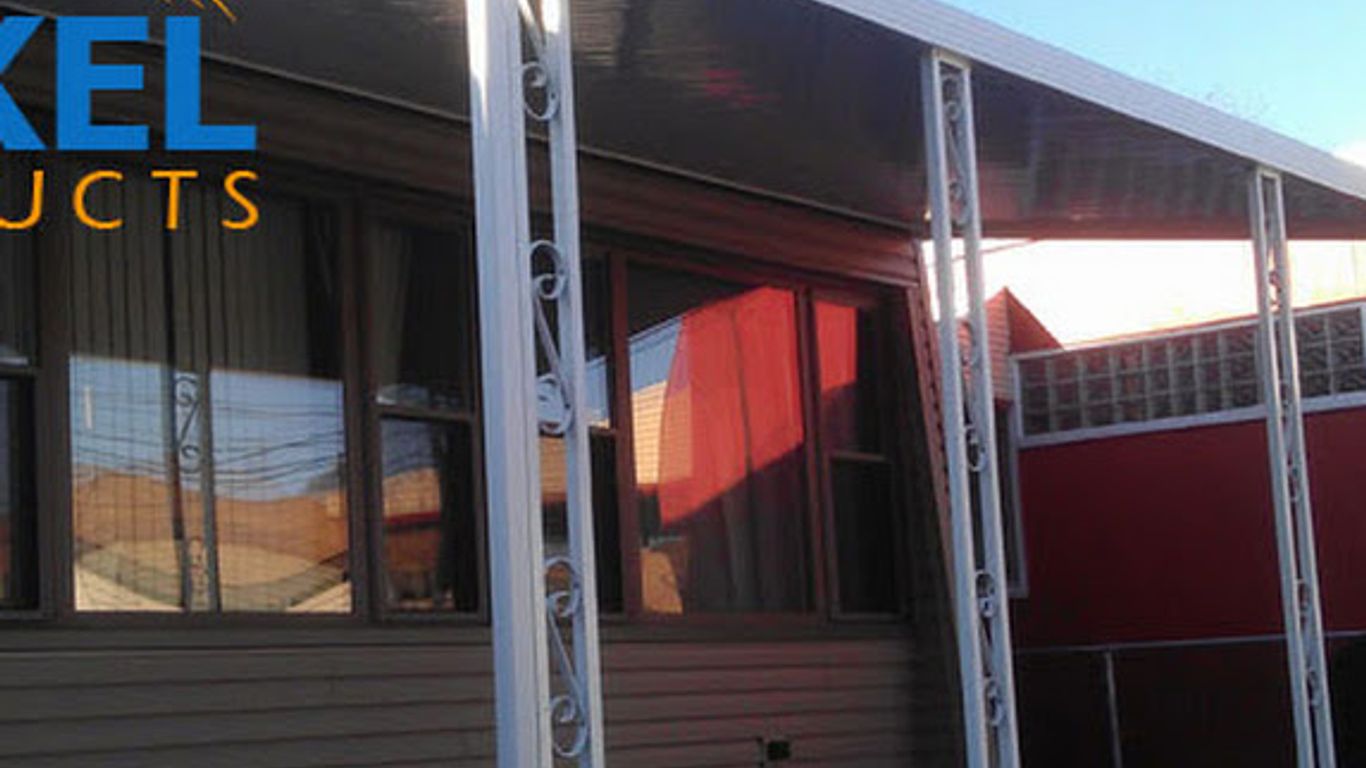
When you’re looking to add some shade and style to your home, there are a bunch of different awning options out there. It’s not just a one-size-fits-all deal, you know? The type you pick really depends on what you want it for and how your house looks. Let’s break down some of the most common kinds you’ll see.
Retractable Awnings for Flexible Shade
These are super popular because they’re so adaptable. Think of them like a big umbrella you can pull out when the sun’s beating down or when you want a bit of cover from a light sprinkle. When you don’t need them, you can just roll them back up. This is great for patios and decks where you might want to enjoy the sun sometimes and have shade at other times. They can be operated manually with a crank, or you can get motorized ones that work with a remote or even a smartphone app. It’s all about giving you control over your outdoor space.
Stationary Awnings for Permanent Coverage
If you’re looking for something that’s always there, providing consistent shade and a bit of architectural flair, stationary awnings are the way to go. These are fixed in place and are a good choice for areas like above your front door or windows, or even over a larger patio area where you always want shade. They add a nice finished look to your home and can help keep the sun from heating up the inside of your house, which can actually save you a bit on cooling costs during those hot summer months. They’re built tough to handle whatever the weather throws at them.
Material Options: Fabric vs. Metal Awnings
When you’re picking out an awning, the material is a big deal. You’ve got your fabric awnings, which usually come in a huge variety of colors and patterns. This is where you can really add some personality and match your home’s style. They’re great for creating a certain look and feel. On the other hand, metal awnings, often made from aluminum, are known for being super durable and low-maintenance. They have a more modern look and are excellent if you’re in an area with really harsh weather conditions. They stand up to the elements really well.
Here’s a quick look at some common types:
- Retractable Awnings: Flexible, adjustable shade for patios and decks.
- Stationary Awnings: Permanent shade and protection, good for windows and entryways.
- Metal Awnings: Durable, modern, and weather-resistant.
- Fabric Awnings: Wide range of colors and patterns for a custom look.
Choosing the right awning style isn’t just about looks; it’s about how you plan to use your outdoor space and what kind of protection you need. Thinking about these different types will help you narrow down what will work best for your home and lifestyle.
When you’re trying to figure out the best fit, talking to a local installer can really help. Companies like Arkel Chicago Awnings have a lot of experience with different styles and can guide you based on your specific needs and local weather patterns.
Beyond Installation: Additional Services to Look For
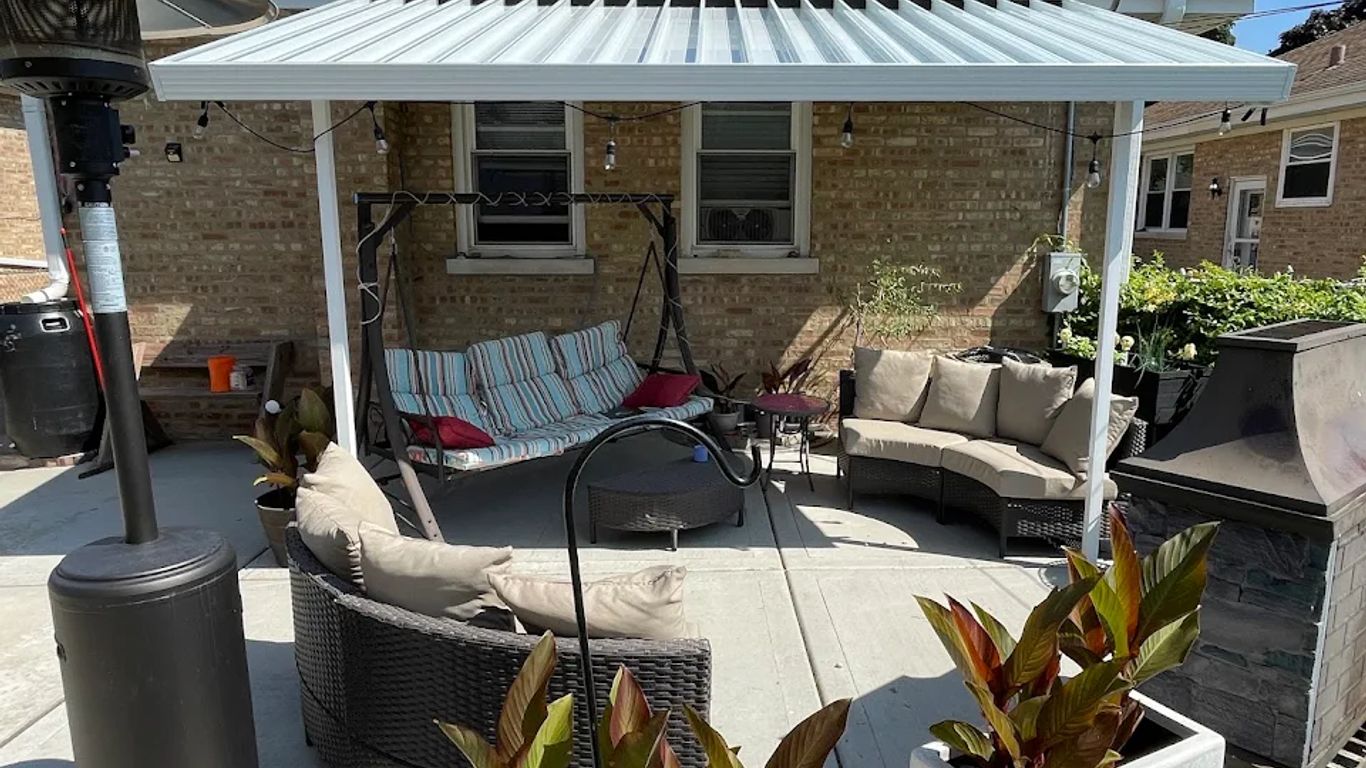
So, you’ve found the perfect awning installer and they’ve done a fantastic job putting up your new shade. That’s great! But the relationship doesn’t have to end there. Think about what happens after the initial setup. A good company will offer more than just the installation itself. They should be there for you down the road, too.
Repair and Maintenance Services
Things happen, right? Maybe a strong wind comes through, or perhaps a branch falls on your awning. That’s when you’ll be glad you chose an installer who also handles repairs. It’s not just about fixing damage, though. Regular maintenance is key to keeping your awning looking good and working properly for years. This could include cleaning, checking the mechanisms, and making sure everything is still secure. It’s like taking your car in for an oil change – it prevents bigger problems later.
Seasonal Adjustments and Care
Depending on where you live and the type of awning you have, you might need to do a little something extra when the seasons change. For instance, some awnings might need to be retracted or even taken down during harsh winter months to prevent damage from snow and ice. A knowledgeable installer can guide you on the best practices for your specific awning, helping you protect your investment. They might even offer services to help with these seasonal transitions, making it easy for you to keep your awning in top shape.
Ensuring Long-Term Awning Lifespan
Ultimately, you want your awning to last. This means not just picking a quality product but also working with a company that stands behind their work. Look for installers who provide warranties on both the materials and their labor. This shows they’re confident in what they do and are willing to back it up. A solid warranty is your peace of mind, knowing that if something goes wrong that’s not your fault, they’ll be there to make it right. It’s about building a relationship with a company that cares about the longevity of your outdoor oasis.
Choosing an awning installer is more than just a one-time transaction. It’s about finding a partner who can support you from the initial setup through the entire life of your awning. Don’t hesitate to ask about their after-installation services – it could save you a lot of hassle and money in the long run.
Making an Informed Decision for Your Outdoor Space
So, you’ve looked at different awning types, checked out installers’ experience, and maybe even got a few quotes. Now comes the part where you really nail down what’s best for your home. It’s not just about picking the prettiest fabric; it’s about making sure the awning actually does what you need it to do and lasts a good long while.
Assessing Your Specific Needs and Goals
Before you get too far down the road, take a moment to really think about why you want an awning in the first place. Is it mainly to block that brutal afternoon sun from hitting your patio furniture? Or maybe you’re hoping to create a more private spot for your morning coffee? Perhaps it’s more about adding a bit of style to your home’s exterior. Knowing your main goal helps a lot when you’re looking at different options. For instance, if blocking intense sun is key, you’ll want to focus on awnings with good UV protection and maybe a deeper projection. If it’s more about a gentle shade and looks, other styles might work better.
Here’s a quick way to break it down:
- Primary Purpose: Sun protection, rain cover, privacy, aesthetics, or a mix?
- Usage: How often will you use the space? Daily, weekly, or just on special occasions?
- Space: What are you covering? A small balcony, a large patio, a deck, or an entryway?
- Desired Flexibility: Do you want shade on demand (retractable) or permanent coverage (stationary)?
Consulting with Awning Experts
Even after doing your homework, talking to the pros can really clear things up. Think of it like getting a second opinion from someone who does this every single day. They’ve seen all sorts of homes, dealt with different weather challenges, and know which materials hold up best in your area. They can point out things you might not have considered, like how the sun moves across your yard during different seasons or potential issues with your home’s structure that might affect installation. Don’t be afraid to ask them to explain things in plain English. A good installer wants you to understand what you’re getting. They can help you figure out the best retractable awning installers for your specific situation.
It’s easy to get caught up in the details of fabric patterns and frame colors, but remember the core function. An awning should solve a problem or fulfill a need. If it doesn’t, no matter how good it looks, it’s not the right choice.
Understanding Your Budget and Investment
Let’s talk money. Awnings can range quite a bit in price, and it’s important to have a realistic budget in mind. Remember that the cheapest option isn’t always the best value in the long run. A well-made awning from a reputable installer might cost more upfront, but it could save you money down the line through better durability, less maintenance, and improved energy efficiency for your home. When you get estimates, make sure they’re detailed. You want to see exactly what you’re paying for – materials, labor, any hardware, and if there are any extra charges for things like permits or disposal of old awnings.
Here’s a simple breakdown of what to expect in an estimate:
- Awning Type & Size: Specifics of the awning you’re getting.
- Materials: Details on the fabric, frame, and any hardware.
- Labor Costs: The installer’s fee for putting it up.
- Additional Fees: Permits, disposal, travel costs (if applicable).
- Warranty Information: What’s covered and for how long.
By taking these steps, you’re not just buying an awning; you’re making an investment in your home’s comfort and usability.
Making the right choice for your outdoor area is important. Take your time to look at your options and think about what fits your space best. If you want expert advice or want to see some great ideas for awnings and canopies, we’re here to help. Visit our website today and let us help you make your outdoor space even better!
Ready to Enjoy Your Shaded Space?
So, you’ve learned a bit about what makes a good awning installer and why having an awning is a smart move for your home. Finding the right person or company to do the job is key to getting a great result that you’ll enjoy for years. Don’t rush the process; take your time to look around, ask questions, and find someone you feel good about working with. A well-installed awning can really change how you use your outdoor space, making it more comfortable and enjoyable, no matter the weather. Get started today and get ready to relax in your newly shaded oasis!
Frequently Asked Questions
Why is it important to hire a local awning installer?
Hiring someone local means they understand the area’s weather and common needs. Plus, they can usually get to you faster for service or if something goes wrong, making communication and repairs much smoother.
What should I look for to know if an installer is good?
Check out their past work, like photos or a portfolio, to see if they’ve done similar projects. Also, ask about the quality of materials they use and if they have experience with different types of awnings.
Are there any legal things I should check before hiring someone?
Yes, always make sure the installer has a valid license and insurance. This protects you in case of accidents or damage during the job. Don’t be afraid to ask for proof!
What are the main types of awnings available?
You can get retractable awnings that pull out when you need shade and go back when you don’t. There are also stationary awnings that stay put for permanent shade. They can be made of fabric or metal, each with its own pros.
Do installers offer services after the awning is put up?
Many do! Look for companies that offer repairs, regular check-ups, and seasonal adjustments. This helps keep your awning in good shape and makes it last longer.
How do I decide which awning is best for me?
Think about what you want the awning for – mostly sun protection, privacy, or just looks? Also, consider your home’s style and how much you want to spend. Talking to an awning expert can really help you figure it out.