Enhance Your Home’s Curb Appeal with a Stylish Residential Front Door Awning
Thinking about giving your home’s front entrance a little something extra? A residential front door awning might be just the ticket. It’s not just about looks, though that’s a big part of it. These awnings can actually do a lot for your home, from keeping the rain off your head to making your place look more put-together. Let’s explore how adding a residential front door awning can make a real difference.
Key Takeaways
- A residential front door awning adds style and can really boost how your home looks from the street.
- These awnings offer practical protection from sun, rain, and other weather, keeping your entryway dry and shaded.
- Choosing the right material and style for your residential front door awning ensures it matches your home’s architecture and your personal taste.
- Beyond looks, a residential front door awning can help with energy efficiency by blocking direct sun, potentially lowering cooling costs.
- Investing in a quality residential front door awning is a smart move that adds lasting value and appeal to your property.
Elevate Your Home’s Exterior With A Residential Front Door Awning
Enhancing Curb Appeal With A Touch Of Elegance
When you’re thinking about making your home look its best from the outside, the front door area is a really important spot. It’s the first thing people see, right? Adding a residential front door awning can totally change the look of your entryway. It’s not just about blocking the sun or rain, though those are good things. It’s about adding a bit of style, a touch of class that makes your whole house seem more put-together and welcoming. Think of it like adding a nice frame to a picture – it just makes everything look better. A well-chosen awning can really make your home stand out in the neighborhood, giving it a unique personality.
Choosing The Right Style For Your Home
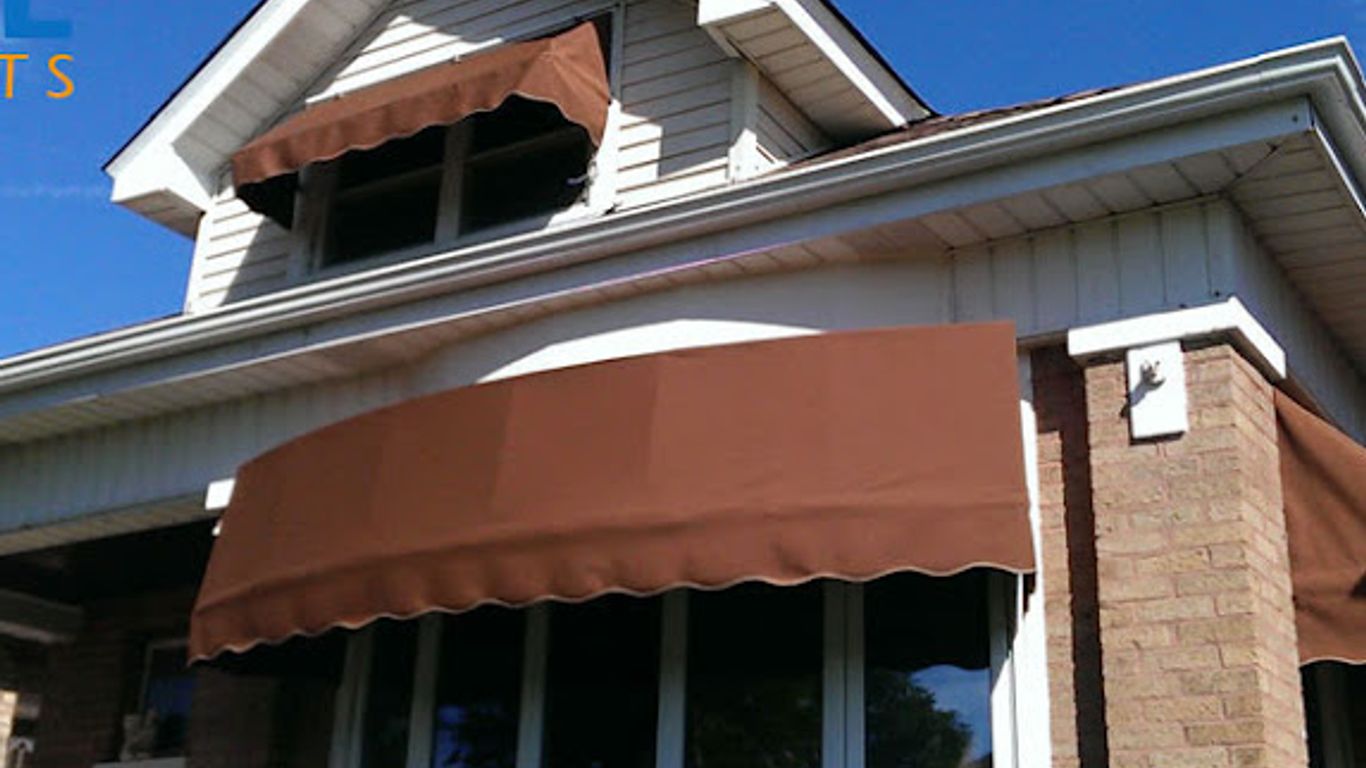
Picking the perfect awning isn’t a one-size-fits-all deal. You’ve got to think about your home’s overall look. Is it a classic brick house? Maybe something with clean, modern lines? There are so many styles to choose from. You can go with a traditional fabric awning that has a nice drape, or maybe a more structured metal one that looks really sharp. Some people even like the look of wood awnings for a cozier feel. It’s all about finding something that fits with the architecture you already have. You don’t want an awning that looks like it belongs on a completely different kind of building. It should feel like it was always meant to be there. It’s a chance to show off your personal taste, kind of like how you might manage your [Google Business Profile](https://arkelchicagoawnings.com/) to reflect your business’s style.
The Impact Of A Residential Front Door Awning On Property Value
So, beyond just looking good, does an awning actually add value to your home? Most experts would say yes. It’s one of those home improvements that offers both immediate enjoyment and a potential return on investment. A stylish awning makes your home more attractive to potential buyers. It suggests that the homeowner cares about the details and has invested in making the property look its best. Plus, the practical benefits, like protecting your front door from weather damage and reducing cooling costs, are things that any new owner would appreciate. It’s a smart addition that can make your home more appealing and potentially fetch a better price when it’s time to sell.
Functional Benefits Of A Residential Front Door Awning
Beyond just looking good, a front door awning actually does a lot for your home. It’s not just about adding a bit of flair; it’s about making your home more comfortable and protecting it too.
Shielding Your Entrance From The Elements
Think about it: your front door is the first line of defense against whatever the weather throws at you. A well-placed awning acts like a sturdy umbrella for your entryway. It keeps the rain from pooling on your doorstep, which means less tracking water inside and fewer slippery hazards. Plus, it stops direct sun from beating down on your door and porch, which can really help prevent fading on your paint or wood over time. It’s like giving your entryway a little protective shield.
Improving Energy Efficiency And Reducing Costs
This might surprise you, but awnings can actually help with your energy bills. During those hot summer months, the sun beating down on your front door and windows can heat up your entryway and the rooms beyond. An awning provides shade, blocking a good chunk of that solar heat. This means your air conditioner doesn’t have to work quite as hard to keep things cool inside. Over time, this can add up to noticeable savings on your electricity bill. It’s a simple way to make your home a bit more eco-friendly and wallet-friendly.
Extending Outdoor Living Season
Who doesn’t love spending a bit more time outdoors? A front door awning can make your porch or stoop a much more inviting place to be. On a sunny day, it offers a cool, shaded spot to relax with a book or chat with a neighbor. Even if there’s a light drizzle, you can still sit outside under the awning without getting soaked. It effectively extends the time you can comfortably use your front porch or entryway area, turning it into a more functional part of your home throughout more of the year. It’s like adding a small, usable outdoor room.
Awnings offer a practical way to manage your home’s microclimate, providing comfort and protection without major renovations. They are a smart addition for any homeowner looking to get more out of their property.
Material And Design Considerations For Your Awning
When you’re thinking about adding a front door awning, the materials and design choices are pretty important. They don’t just affect how it looks, but also how long it lasts and how well it works. It’s not just about picking something that looks nice; it’s about finding something that fits your home’s style and can handle the weather.
Exploring Classic Canvas Options
Canvas awnings have been around for ages, and for good reason. They offer a timeless look that can really add charm to a house. You can find them in all sorts of colors and patterns, so it’s usually pretty easy to match them with your home’s exterior. Think about stripes for a coastal vibe or a solid color that really pops against your siding. These awnings are great for adding a personal touch and making your entrance feel more welcoming. They’re a solid choice if you’re going for a traditional or slightly vintage feel.
Modern Metal Awning Styles
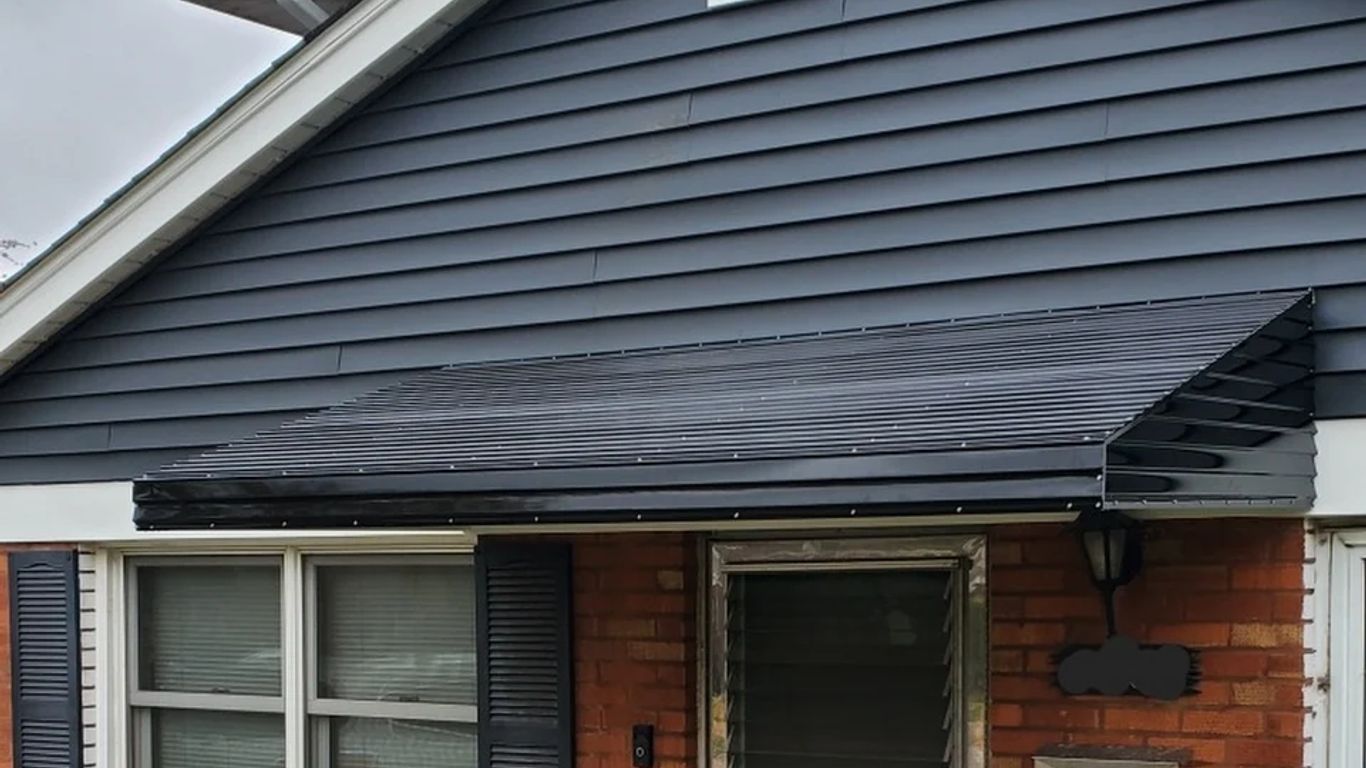
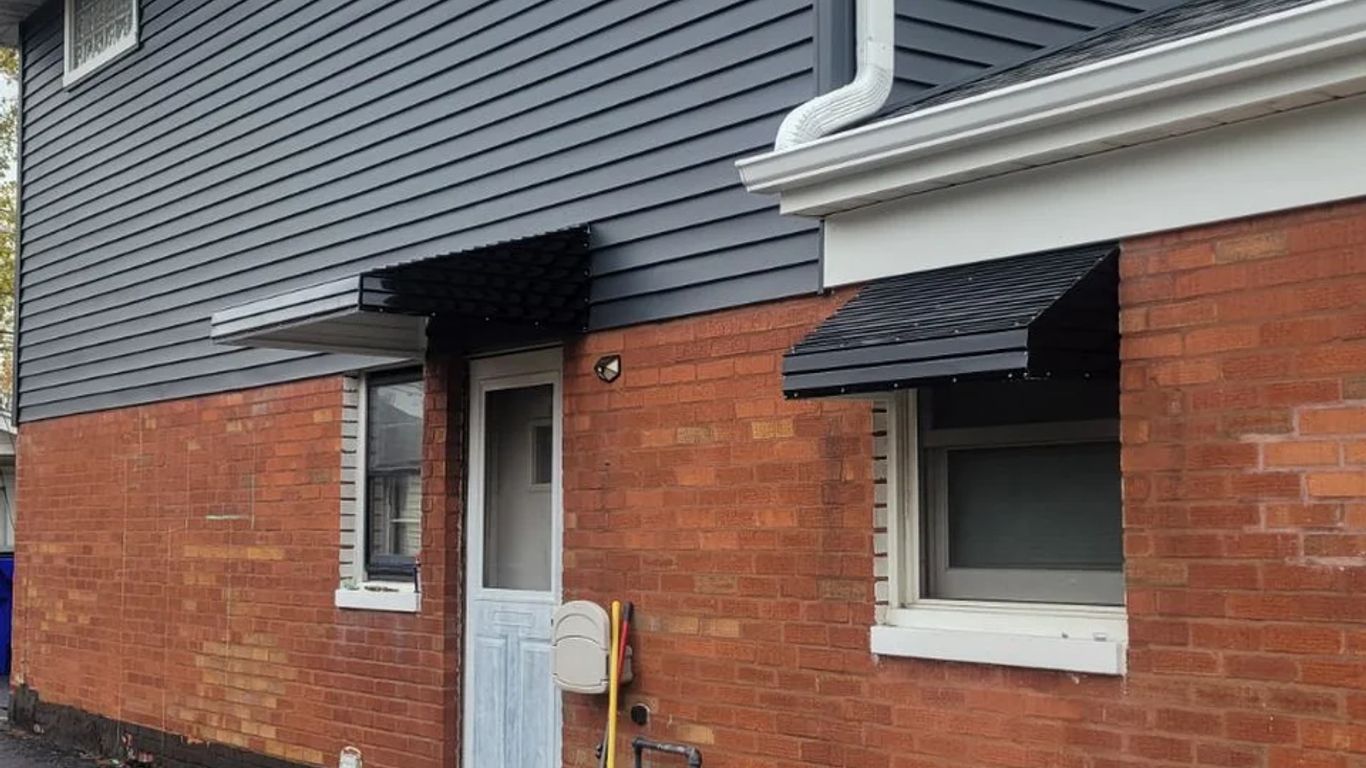
If your home leans more towards a contemporary or modern look, metal awnings might be more your speed. Usually made from aluminum or steel, these awnings are built tough. They have clean lines and a more minimalist appearance, which can give your home a sleek, updated feel. Metal is also really good at standing up to the weather, so you won’t have to worry about it as much as some other materials. They offer protection without being too flashy, letting your home’s architecture take center stage.
The Warmth and Charm of Wood Awnings
For a look that’s all about warmth and coziness, wood awnings are a fantastic option. They bring a natural, rustic feel that works wonderfully with cottage-style homes or anything with a bit of a country charm. The natural grain and texture of wood can make your entryway feel really inviting. Just a heads-up, wood does need a bit more upkeep to keep it looking its best and to make sure it lasts. Regular checks and maybe a fresh coat of sealant every so often will keep it looking great for years.
Here’s a quick look at some common material choices:
| Material |
|---|
| Canvas |
| Vinyl |
| Aluminum/Steel |
| Wood |
Choosing the right material is a balancing act between aesthetics, durability, and the kind of maintenance you’re willing to do. Think about your local climate too – some materials handle harsh sun or heavy rain better than others. It’s worth looking into options that are known for weather resistance if you live somewhere with unpredictable weather.
When you’re picking out your awning, don’t forget to think about how it all comes together. The color, the pattern, and even the shape should all work with your home’s overall look. It’s about creating a cohesive exterior that feels just right.
Integrating A Residential Front Door Awning Into Your Home’s Aesthetic
So, you’ve decided on a front door awning – great choice! Now comes the fun part: making sure it looks like it belongs. It’s not just about slapping something up there; it’s about creating a cohesive look that makes your whole house feel more put-together. Think of it as the finishing touch that ties everything together.
Complementing Architectural Styles
Your home’s architecture is the starting point. An awning shouldn’t fight with your house’s design; it should work with it. For a classic brick home, a more traditional awning with some decorative trim might look just right. If you have a modern house with clean lines, a sleek metal or minimalist fabric awning would probably be a better fit. It’s all about finding that balance.
Here’s a quick rundown of common styles and what works well:
- Traditional Homes: Often benefit from canvas awnings with gentle curves or simple, sturdy frames. Think timeless elegance.
- Modern Homes: Clean lines, geometric shapes, and materials like metal or sleek acrylic are usually the way to go. Less is often more here.
- Craftsman Homes: Look for awnings with natural wood elements or designs that echo the home’s handcrafted details.
- Victorian Homes: Can handle more ornate designs, perhaps with decorative brackets or a more elaborate shape.
Color and Pattern Choices
This is where you can really inject some personality. The color of your awning can make a big statement. You could go for a bold color that pops against your siding, or a more subtle shade that blends in. Consider the colors already present in your home’s exterior – your shutters, trim, or even your landscaping. Matching or coordinating these can create a really polished look.
Patterns can add another layer of interest. Stripes are a classic choice, offering a bit of visual flair without being too overwhelming. Solid colors are always a safe bet and can provide a nice contrast. If you’re feeling adventurous, a subtle geometric pattern might work, but be careful not to overdo it, especially if your home already has a lot of visual detail.
- Neutral Tones: Beige, gray, or off-white can offer a sophisticated, understated look that works with almost any color scheme.
- Bold Accents: A bright red or deep blue can create a striking focal point and add a welcoming pop of color.
- Stripes: Classic and versatile, stripes can add a nautical feel or a touch of playful charm.
- Subtle Patterns: Consider muted tones or small-scale patterns if you want something a bit different without being too loud.
Choosing the right color and pattern is like picking the perfect accessory for an outfit. It needs to complement the main piece (your house!) without stealing the show. Sometimes, the simplest choices make the biggest impact.
Creating a Cohesive Exterior Look
Ultimately, the goal is for the awning to feel like a natural extension of your home, not an afterthought. This means paying attention to the details. If your home has specific trim colors or materials, try to echo those in your awning choice or its mounting hardware. Think about the overall impression you want to make. A well-integrated awning doesn’t just cover your door; it enhances your home’s entire facade. It’s about making sure everything works together to create a welcoming and attractive entrance. For more ideas on how awnings can transform your home’s exterior, check out window awning ideas.
The Longevity And Durability Of Residential Front Door Awnings
When you decide to add a residential front door awning, you’re not just thinking about how it looks today, but also how it will hold up over time. These awnings are built to last, but their lifespan really depends on a few key things. Understanding the materials and how to care for them is the secret to making sure your awning stays looking good and doing its job for years to come.
Understanding Material Resilience
The materials used in your awning are the first line of defense against the weather. Different materials have different strengths:
- Canvas: Traditional and classic, canvas offers good protection but might need more frequent upkeep, especially in harsh climates. It’s breathable and can look really nice, but it’s not as tough as some other options.
- Metal (Aluminum/Steel): These are workhorses. Metal awnings are incredibly durable, resisting rust, wind, and even heavy rain or light snow. They require very little maintenance and can last for decades.
- Wood: Wood awnings bring a natural warmth and charm. They can be very sturdy, but they do need regular attention to prevent rot or insect damage. Think of them as needing a bit more TLC.
- Vinyl/Fabric Composites: Many modern awnings use advanced fabrics that are designed to resist fading, mildew, and tears. These often offer a great balance of looks and toughness.
Maintenance For Lasting Beauty
Even the toughest awning needs a little attention now and then. Regular cleaning is probably the most important thing you can do. A simple wash with mild soap and water can keep dirt and grime from building up and potentially damaging the material. For fabric awnings, make sure they dry completely before they get wet again to prevent mildew. If you have a metal awning, a quick wipe-down is usually all it takes. For wood, you might need to reapply a sealant every few years to keep it protected.
A well-maintained awning not only looks better but also performs better. It’s about protecting your investment and ensuring it continues to provide shade and protection without issues.
A Wise Investment For Your Home
Putting money into a good quality front door awning is really a smart move. Think about it: it protects your front door and entryway from sun damage, which can make your paint fade or even damage the wood over time. It also keeps you and your guests dry when you’re fumbling for keys in the rain. Plus, awnings can help with energy efficiency by blocking some of the sun’s heat in the summer. When you consider all these benefits, plus the fact that a durable awning can last for many years, it’s clear that it’s more than just a decorative piece; it’s a practical addition that adds value and comfort to your home. For those in the Chicago area, looking into professional installation can make a big difference in how long your awning lasts.
Front door awnings are built to last and can really stand up to the weather. They not only look great but also keep your entryway protected from sun and rain, making them a smart choice for your home. Want to see how a new awning can boost your home’s look and feel? Visit our website today to explore your options!
A Stylish Welcome Awaits
So, there you have it. Adding a front door awning is more than just a little home upgrade; it’s a smart move that makes your place look better and work better too. It keeps the sun off your entryway, gives you a bit of cover when it’s raining, and honestly, just makes your house feel more welcoming. Think of it as giving your home a friendly wave to everyone who walks by. It’s a simple change that really makes a difference, turning a plain entrance into something special.
Frequently Asked Questions
What exactly is a residential front door awning, and why would I want one?
A residential front door awning is like a small roof that sticks out over your front door. It makes your house look nicer and adds a touch of style. Think of it as a welcoming sign for your home that also helps keep you dry when it’s raining or shady when the sun is too bright.
How does an awning help my house look better?
An awning can really change how your house looks from the outside. It adds a design element that breaks up a plain wall. You can pick different styles and colors to match your house, making it look more interesting and put-together. It’s like adding a stylish hat to your front door!
Will an awning keep me dry when I’m at the door?
Yes, absolutely! One of the main jobs of a front door awning is to protect you from the weather. When it’s raining or snowing, it keeps you and your packages dry while you’re fumbling for your keys. It also stops the sun from beating down on you when you’re waiting for someone.
Can an awning help save money on my energy bills?
It sure can! In the summer, an awning shades your front door and the windows nearby. This stops the sun from heating up your house too much, so you won’t need to run your air conditioner as much. This means lower electricity bills. It’s like giving your house a little bit of shade to keep it cool.
What kinds of materials can I get for a front door awning?
You have some great choices! You can get classic ones made of fabric like canvas, which come in lots of colors and patterns. There are also modern ones made of metal, like aluminum, that are super strong. And if you like a natural look, you can even get awnings made of wood, which give off a warm and cozy vibe.
Does adding an awning increase the value of my home?
Definitely! An awning makes your home look more attractive from the street, which is called curb appeal. It also adds a practical benefit by protecting your door and entryway. Homes that look good and have useful features are often worth more when you decide to sell them.