Finding the Best Residential Awning Company Near Me: A Buyer’s Guide
Thinking about getting an awning for your house? It’s a pretty good idea, honestly. They can make your outdoor space way more usable, keep the sun from beating down on your windows, and just make the whole place look nicer. But finding the right company to do the job can feel like a lot. You want someone reliable, someone who knows what they’re doing, and ideally, someone not too far away. This guide is here to help you figure out how to find that perfect residential awning company near me.
Key Takeaways
- Figure out why you want an awning first. Is it for shade, looks, or something else? This helps you know what to ask for.
- Look into different awning styles and materials. There are tons of options, from fabric to metal, and retractable to fixed.
- When you search for a residential awning company near me, check if they’re local, have good experience, and are properly licensed and insured.
- Read reviews and ask around. See what other people say about companies you’re considering before you commit.
- Talk about the installation process and what happens after. Make sure you understand maintenance, repairs, and any warranties.
Understanding Your Residential Awning Needs
Before you start looking for "awning companies near me," it’s a good idea to figure out exactly what you want and need. Think about why you want an awning in the first place. Is it mostly for blocking the sun, adding some privacy, or just to make your house look nicer? Knowing your main goals will help you decide on the size, shape, and features that will work best for you. Also, consider where your house is located and how the sun hits it throughout the day. This will help you figure out the best way to get the shade you’re looking for.
Assessing Purpose and Goals
Your awning’s purpose is the first thing to nail down. Are you trying to make your patio usable on hot summer days? Maybe you want to keep the sun from beating down on your living room windows, which can also help lower your energy bills. Or perhaps you’re looking for a way to add some architectural flair to your home’s exterior. Each of these goals might lead you to a different type of awning. For example, if blocking intense afternoon sun is key, you’ll want something with good UV protection and maybe a darker color. If it’s more about adding a decorative touch, style and material might be your top priorities.
Evaluating Home Orientation and Sun Exposure
Take a look at which direction your house faces. A south or west-facing side will get a lot more direct sun, especially in the afternoon, compared to a north or east side. This is super important because it affects how much shade you’ll need and how effective an awning will be. If you have a patio that bakes in the sun all afternoon, you’ll need an awning that can cover a good portion of it. You might even want to check out how the sun moves across your property during different seasons. This kind of detail helps you pick an awning that actually solves your sun problems.
Exploring Design and Architectural Compatibility
Now for the fun part – how it looks! Awnings can really change the look of your house. You’ll want to pick a style that fits with your home’s architecture. Is your house modern and sleek, or more traditional with classic details? There are awnings to match pretty much any style. Think about the colors and patterns too. Do you want something that blends in or stands out? It’s also worth checking out local companies online, maybe by looking at their Google Business Profile, to see examples of their work on homes similar to yours. This can give you a good sense of what might look best.
It’s always a good idea to get a feel for what’s out there before committing. Looking at different styles and materials online or even just observing awnings on other houses can spark ideas. Don’t be afraid to think about how the awning will function day-to-day, not just how it looks when it’s installed.
Exploring Residential Awning Styles and Materials
When you’re looking into awnings, you’ll quickly see there’s a whole world of options out there. It’s not just about picking a color; it’s about figuring out what kind of awning fits your life and your house best. Think about how you want to use the space it covers. Do you want something you can put away when you don’t need it, or something that’s always there? This is where the big style choices come in.
Retractable vs. Stationary Awning Options
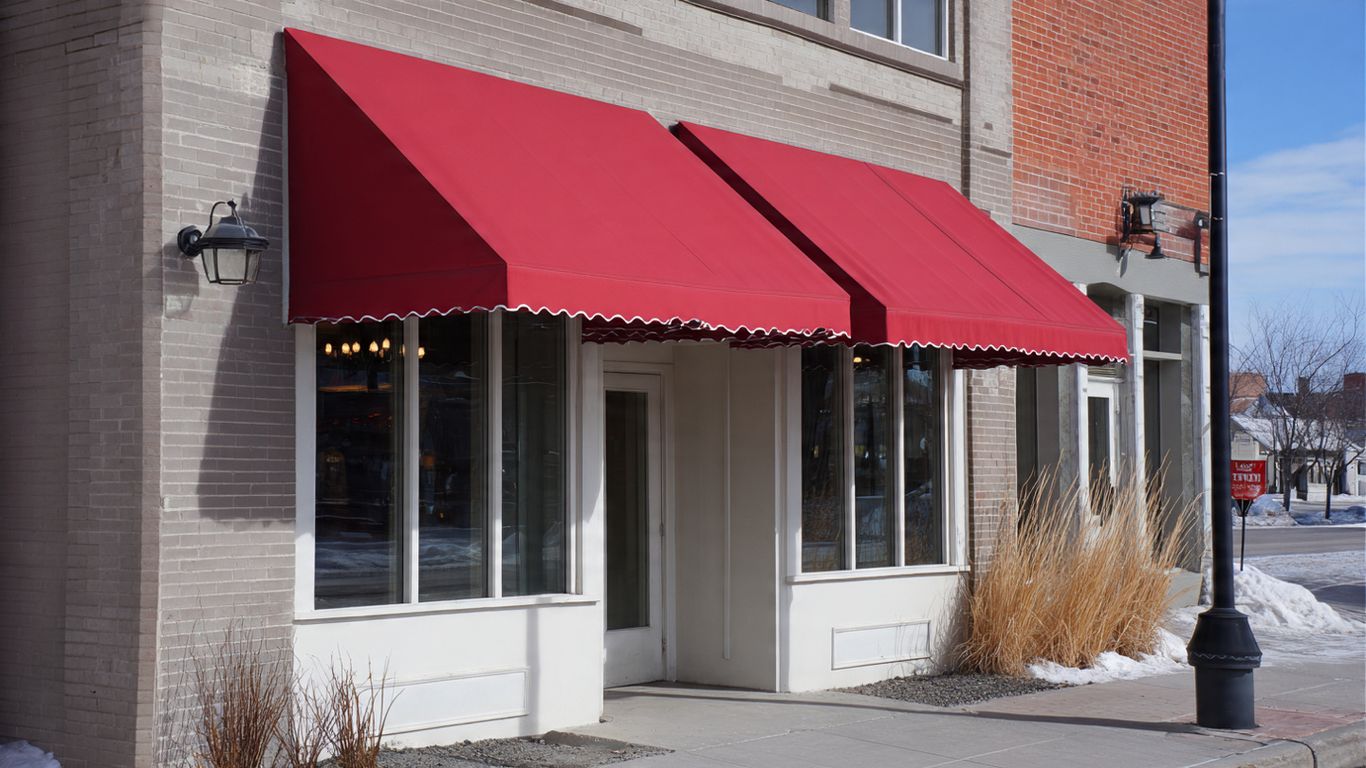
This is probably the first big decision you’ll make. Retractable awnings are super popular because they give you control. You can crank them out when the sun is beating down or pull them back if you want more sun or if the wind picks up. They’re great for patios and decks where you might want to change things up depending on the weather or time of day. On the other hand, stationary awnings are built to last in one spot. They’re often more robust and can provide a more permanent architectural look, especially over doorways or windows. They don’t move, so they’re always providing shade or shelter right where you need it. The choice really boils down to how much flexibility you need.
Choosing Durable and Weather-Resistant Materials
Once you’ve got a handle on the style, you need to think about what the awning is actually made of. This is super important for how long it’ll last and how well it’ll hold up against the elements. You’ll see a lot of options, but the main ones are fabric, metal, and sometimes wood or vinyl.
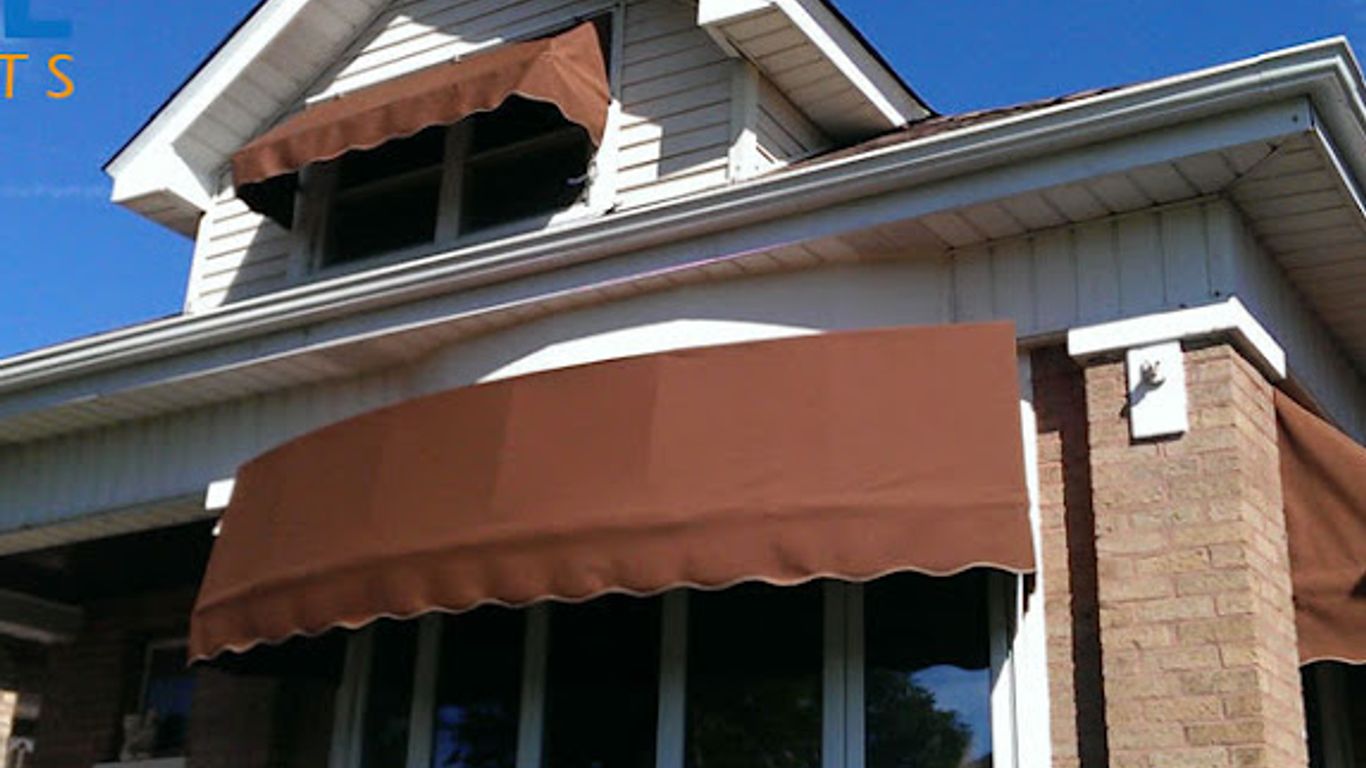
- Fabric: This is the most common. You’ve got things like acrylic canvas, which is pretty tough, resists fading, and doesn’t soak up water easily. Vinyl is also an option, often used if you’re thinking about an awning that might be lit up or for commercial spots. Fabric awnings are great because they come in tons of colors and patterns, so you can really match them to your home’s look. You can even find some that are treated to resist mildew.
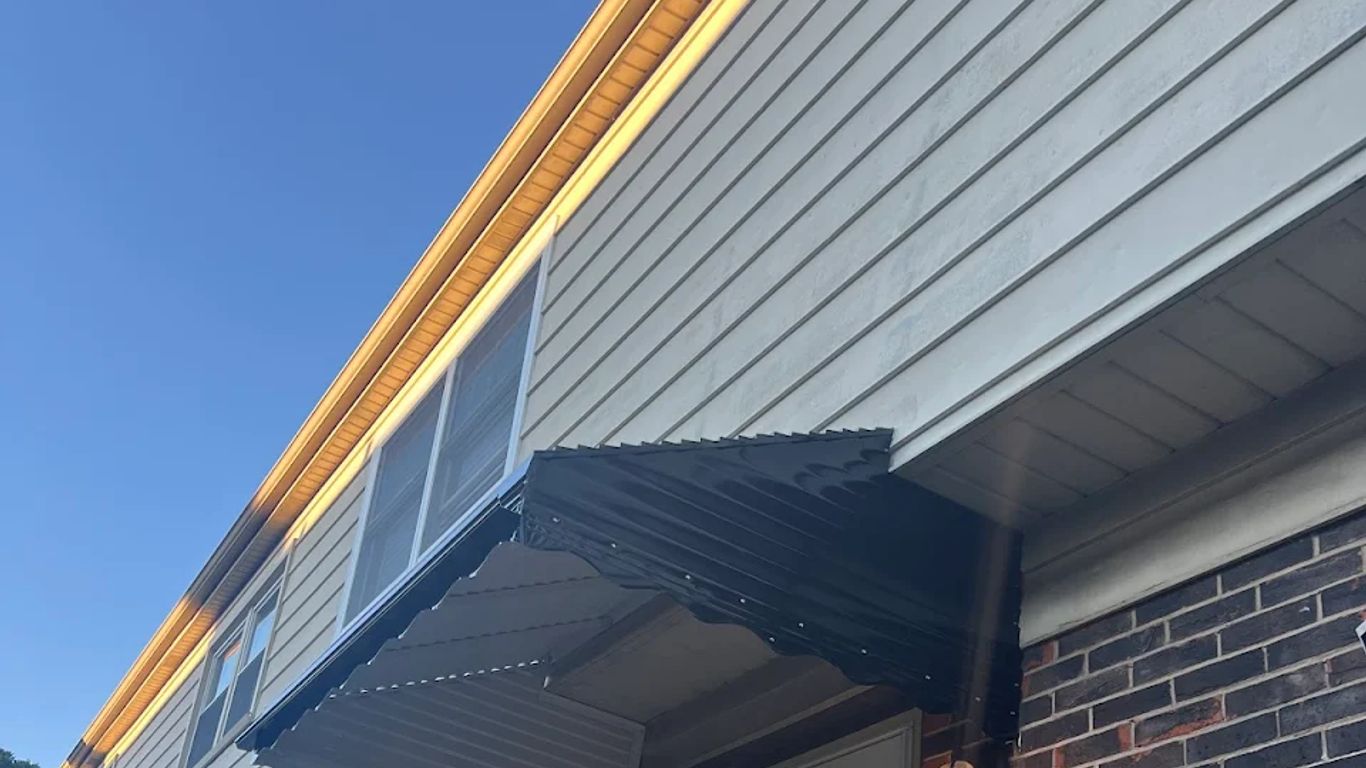
- Metal: Aluminum or steel awnings are built tough. They’re really good for areas where you get a lot of wind or harsh weather. They have a more modern feel and don’t need as much upkeep as fabric ones. They’re a solid choice if durability is your absolute top priority.
Fabric, Metal, and Other Awning Types
Beyond the basic retractable or stationary choice, there are other styles to consider. You might see things like shade sails, which are more like fabric canopies stretched between anchor points, giving a modern, artistic vibe. Then there are pergola awnings, which often have a more structured frame and can be covered with fabric or slats. Some awnings are even designed to be motorized, controlled by a remote or even an app, which is pretty fancy if you want ultimate convenience. When you’re picking, think about how the material will look and perform over time. A good awning should complement your home’s architectural style and stand up to whatever the weather throws at it.
Picking the right awning style and material isn’t just about looks; it’s about function. Consider how you’ll use the space, how much maintenance you’re willing to do, and what kind of protection you really need. This will help you narrow down the choices to something that works for your home and your lifestyle.
Finding a Reputable Residential Awning Company Near You
So, you’ve figured out what kind of awning you want and where it should go. Awesome! Now comes the part where you need to find someone to actually install it. This isn’t just about picking the first name you see in a search. You want someone good, someone reliable, someone who won’t leave you with a wobbly mess or a bill full of surprises. It takes a little digging, but finding the right company makes all the difference.
Importance of Local Presence and Service
When you’re looking for an awning company, sticking close to home is usually a smart move. A local business means they understand the weather patterns around here – you know, the crazy winds, the intense sun, all that jazz. Plus, if something goes wrong or you need a quick fix, they’re not miles away. They can usually get to you faster and are more likely to be invested in the community’s satisfaction. Think about it: if your neighbor had a good experience with a local installer, that’s a pretty solid sign.
Seeking Companies with Proven Experience
Experience really does count for a lot in this business. You don’t want someone learning on your house, right? Look for companies that have been around for a while and have a portfolio of work they can show you. It’s good to see pictures of awnings they’ve installed on homes similar to yours. This gives you a feel for their style and the quality of their craftsmanship. A company that has tackled a variety of projects likely knows how to handle different situations and materials.
Verifying Licenses and Insurance
This is a big one, and honestly, it’s non-negotiable. Before you sign anything, make sure the company you’re considering is properly licensed and insured. This isn’t just busywork; it’s about protecting you. If an accident happens during installation and they aren’t insured, you could be on the hook for damages or injuries. A legitimate company will happily provide proof of their licenses and insurance. It shows they’re serious about their business and your safety.
Here’s a quick checklist to keep in mind:
- License Verification: Confirm their contractor’s license is current and valid for your area.
- Insurance Check: Ask for a certificate of insurance that covers general liability and worker’s compensation.
- Ask for Proof: Don’t be shy about requesting documentation. A reputable company expects these questions.
Choosing an awning installer is more than just a transaction; it’s about finding a partner who will enhance your home’s comfort and appearance. Taking the time to vet potential companies ensures you’re investing in quality work and peace of mind for years to come.
It might seem like a lot of steps, but finding a good awning company is like finding a good mechanic or a reliable plumber. It’s worth the effort upfront to avoid headaches down the road. You’re investing in your home, after all, and you want that investment to look good and last.
Evaluating Residential Awning Company Reviews and Reputation
So, you’ve figured out what kind of awning you want and you’re ready to find someone to install it. That’s great! But before you just pick the first name you see, it’s a really good idea to see what other people are saying about them. Think of it like checking reviews before you buy something online – it can save you a lot of headaches.
Leveraging Online Review Aggregators
These days, there are tons of websites where customers leave reviews for businesses. You’ve probably used some yourself. Sites like Google Reviews, Yelp, and even some more specialized ones can give you a pretty good picture of a company’s track record. Look for patterns in the reviews. Are people consistently happy with the quality of the work? Do they mention good customer service? Or are there a lot of complaints about missed appointments or shoddy installations? It’s worth spending some time sifting through these.
Understanding Customer Feedback and Complaints
When you’re reading reviews, try to look beyond just the star rating. A few bad reviews don’t always mean a company is terrible, especially if the majority are positive. But if you see the same issues popping up again and again – like poor communication, delays, or problems with the awning itself – that’s a red flag. Pay attention to how the company responds to negative feedback, too. Do they try to make things right, or do they ignore it? That can tell you a lot about their commitment to customer satisfaction.
Seeking Recommendations and Word-of-Mouth
Online reviews are helpful, but sometimes the best information comes from people you know. Have any of your neighbors recently had awnings installed? Ask them about their experience. Word-of-mouth recommendations can be really trustworthy because people are usually more honest with friends and family. If you hear about a company that did a fantastic job, it’s definitely worth looking into them. You might even find a great local company like Arkel Chicago Awnings that has a solid reputation built over years of happy customers.
When you’re looking at reviews, remember that everyone’s experience is a little different. What one person considers a major problem, another might see as a minor inconvenience. Try to get a general sense of the company’s overall performance and customer service rather than getting hung up on a single negative comment.
Here’s a quick look at what to keep an eye out for:
- Positive Mentions: Look for comments about professionalism, quality of work, timely completion, and good communication.
- Recurring Issues: Be wary if multiple reviews mention the same problems, such as poor installation, unanswered calls, or product defects.
- Company Responses: See if the company actively engages with reviews, especially negative ones, and attempts to resolve issues.
- Longevity of Service: Companies that have been around for a while and consistently receive good reviews often indicate reliability.
The Installation and Aftercare Process
So, you’ve picked out the perfect awning and found a great company. Awesome! But the journey doesn’t end there. The actual installation and how you take care of your new awning afterward are super important. Getting this part right means your awning will look good and work well for a long time.
Ensuring Professional and Secure Installation
This is where the rubber meets the road, so to speak. A good installation isn’t just about screwing things into your house; it’s about making sure the awning is perfectly positioned for maximum shade and that it’s attached securely. You don’t want any wobbling or sagging, especially when the wind picks up.
- Precision Placement: The installers should carefully measure and mark where the awning will go. This isn’t just guesswork; it’s about aligning it with your home’s structure and your desired shade area.
- Secure Mounting: They’ll use appropriate hardware and techniques to attach the awning firmly. This might involve drilling into your home’s siding or brick, and they need to do it in a way that doesn’t cause damage and holds strong.
- Clean Work Area: A professional crew will also make sure to clean up after themselves. You shouldn’t be left with a mess of tools, debris, or dust.
A well-executed installation is the foundation for your awning’s performance and longevity. It’s worth taking the time to confirm the company handles this step with care and attention to detail.
Understanding Maintenance and Repair Services
Once that awning is up, it’s not exactly a ‘set it and forget it’ kind of thing. Like anything outdoors, it needs a little TLC. Most companies will give you some basic instructions, but it’s good to know what to expect.
- Regular Cleaning: Dust, leaves, and general grime can build up. A simple wash with mild soap and water every so often keeps it looking fresh and prevents mildew. You’ll want to rinse it well and let it dry completely before retracting it.
- Seasonal Checks: As the seasons change, so should your attention. Spring might mean a good clean after winter, while fall could involve clearing off leaves. It’s also a good time to look for any small tears or loose threads.
- Professional Repairs: If you notice a tear, a loose seam, or any other issue, it’s best to get it looked at by professionals. Trying to fix it yourself might void a warranty or make the problem worse.
Inquiring About Warranty and Guarantees
This is a big one for peace of mind. A solid warranty shows that the company stands behind its product and its work.
When you’re talking to potential awning companies, make sure you ask about:
- Material Warranty: This covers defects in the fabric or frame material itself. It’s usually for a set number of years.
- Workmanship Warranty: This is about the installation. If the awning starts to pull away or sag because of how it was installed, this warranty should cover it.
- What’s Covered (and What’s Not): Read the fine print. Does it cover normal wear and tear? What about damage from extreme weather events? Understanding the limits is just as important as knowing what’s included.
Asking these questions upfront helps you avoid surprises down the road and ensures you’re making a sound investment. You can often find companies that offer strong warranties as a sign of their commitment to quality.
Budgeting for Your Residential Awning Project
Alright, let’s talk about the money side of things. Getting an awning is exciting, but you’ve got to figure out what you can realistically spend. It’s not just about the sticker price, though; there are other things to think about that can affect the total cost.
Establishing a Realistic Budget Framework
Before you even start looking at styles or materials, sit down and figure out your budget. Think about what you can comfortably afford without causing financial stress. It’s helpful to consider this as a range rather than a hard number at first. This gives you some wiggle room when you find options you really like but are slightly outside your initial thought.
- Determine your maximum spend: What’s the absolute most you can spend on this project?
- Identify your ideal spend: What’s the amount you’d be happiest spending?
- Factor in a contingency: It’s always smart to set aside an extra 10-15% for unexpected costs that might pop up.
Understanding Pricing Factors for Awnings
So, what makes one awning cost more than another? A few things really drive the price:
- Size: Bigger awnings naturally use more material and labor, so they cost more.
- Type: Retractable awnings, especially motorized ones, are generally more expensive than simple stationary awnings because of the added mechanisms.
- Material: High-end fabrics or metals designed for extreme durability and weather resistance will cost more than basic options. Think about how long you want it to last and how much wear and tear it will get.
- Features: Things like motorized operation, special coatings for UV protection, or integrated lighting will add to the overall price.
- Installation: Professional installation is usually recommended and will be an added cost. Complex installations on difficult surfaces can also increase labor charges.
Here’s a rough idea of what you might expect, but remember, these are just estimates and can vary a lot:
| Awning Type | Estimated Cost Range (USD) |
|---|---|
| Manual Retractable | $800 – $3,000+ |
| Motorized Retractable | $1,500 – $5,000+ |
| Stationary (Fabric) | $500 – $2,500+ |
| Stationary (Metal) | $1,000 – $4,000+ |
Considering Long-Term Value and Investment
When you’re looking at the price tag, try not to just see it as an expense. Think of it as an investment in your home. A good quality awning can last for many years, providing shade, reducing your cooling costs by blocking sun from entering your home, and even increasing your property’s value. Sometimes, spending a bit more upfront on a durable, well-made awning saves you money in the long run because you won’t have to replace it as often. Plus, the comfort and enjoyment you get from a shaded patio or deck is pretty priceless, right?
Don’t get so caught up in the initial cost that you forget about the benefits an awning brings over time. A well-chosen awning is more than just a cover; it’s an upgrade to your lifestyle and your home’s efficiency.
Planning for a new awning for your home involves thinking about the costs. Understanding the price range and what affects it will help you make smart choices. We can help you figure out the best options for your budget. Visit our website to learn more about awning costs and get a free quote!
Wrapping It Up
So, you’ve learned a bit about what makes a good awning company and what to look for. It’s not just about picking the first name you see. Think about what you really need the awning for, check out different styles, and definitely talk to a few companies before you decide. Getting a solid awning can really make a difference for your home, adding comfort and maybe even a bit of style. Don’t rush the process; take your time to find the right fit for your place and your budget. A little research now means you’ll be enjoying your new shade for a long time to come.
Frequently Asked Questions
What’s the main reason people get awnings for their homes?
Most folks get awnings to block the sun and keep their homes cooler, especially on hot days. It can make outdoor spaces like patios and decks much more comfortable. Some people also get them to add a nice look to their house or for a bit of privacy.
What are the different kinds of awnings I can choose from?
There are two main types: retractable and stationary. Retractable awnings can be pulled in and out, so you can decide when you want shade. Stationary awnings are fixed in place and offer permanent shade and a more decorative look.
What materials are awnings usually made of?
Awnings are often made from strong fabrics like acrylic or vinyl, which can handle sun and rain well. Some awnings are made from metal, like aluminum, which are super tough and last a long time, especially in rough weather.
Why is it important to hire a local awning company?
Hiring a local company means they know the area and its weather. They can usually get to you faster if you need service or repairs. Plus, they’re more likely to be familiar with local building rules and have good connections in the community.
How do I know if an awning company is good?
Look for companies that have been around for a while and have good reviews online from other customers. It’s also smart to check if they have the right licenses and insurance, which shows they’re professional and safe.
What should I consider when thinking about the cost of an awning?
The price can change a lot depending on the size, the type of awning, and the materials used. Think about how much you want to spend before you start looking. Remember that a good quality awning is an investment that can make your home more comfortable and valuable for years to come.