
Where is Chicago? A Comprehensive Guide to the Windy City’s Location and Geography
So, you’re wondering, where is Chicago? It’s a big city, right? Well, this guide is going to break down exactly where this famous spot sits. We’ll look at its place in Illinois, how close it is to that huge lake, and its role in the whole Midwest region. Plus, we’ll touch on how the city is laid out and how water plays a part in its story. Get ready to get a clear picture of Chicago’s location.
Key Takeaways
-
Chicago is located in the northeastern part of Illinois, right on the southwestern shore of Lake Michigan.
-
The city is a major hub in the Midwest, serving as a key point for transportation and commerce.
-
Its layout is famously organized using a grid system, making navigation relatively straightforward.
-
Lake Michigan is a defining feature of Chicago’s geography, influencing its climate and providing vital resources.
-
The broader Chicagoland area includes numerous suburbs and is a significant economic region.
Understanding Chicago’s Geographic Context
Location Within Illinois
Chicago sits in the northeastern corner of Illinois, right on the southwestern shores of Lake Michigan. It’s not just a big city in Illinois; it’s the state’s most populous city by a long shot. Think of Illinois as a rectangle, and Chicago is tucked up into the top right, near the border with Wisconsin. This placement is super important for understanding its history and how it grew.
Proximity to Lake Michigan
The presence of Lake Michigan is probably the single biggest factor shaping Chicago’s geography and its identity. This massive freshwater lake isn’t just pretty to look at; it’s been a highway for trade, a source of water, and a major influence on the city’s climate. The lakefront is a huge part of what makes Chicago, well, Chicago. You can find lots of businesses that help people enjoy the lakefront, like those offering custom-made and durable windbreakers throughout Chicagoland.
Regional Significance in the Midwest
Chicago is a major player in the Midwest. It’s a transportation hub, a center for business, and a cultural hotspot for the entire region. Its location makes it a natural meeting point for people and goods coming from all over the country. It’s often called the ‘Gateway to the West,’ even though it’s in the Midwest, because of its historical role in connecting the East Coast to the developing West.
Chicago’s position at the southern tip of Lake Michigan, combined with its historical development as a railway and shipping center, has cemented its role as a vital economic and transportation nexus for the entire Midwest. This strategic location continues to influence its growth and connectivity.
Here’s a quick look at its position:
-
State: Illinois
-
Region: Midwest United States
-
Major Waterway: Lake Michigan
-
Nearby State: Wisconsin (to the north)
When you look at a map, Chicago’s spot really stands out. It’s a place where major routes converge, making it a key point for anyone trying to understand the geography of the American heartland. You can even check its exact location on services like [Google Business Profile](https://www.google.com/maps/search/chicago+il) to get a feel for its surroundings.
Navigating the City’s Layout
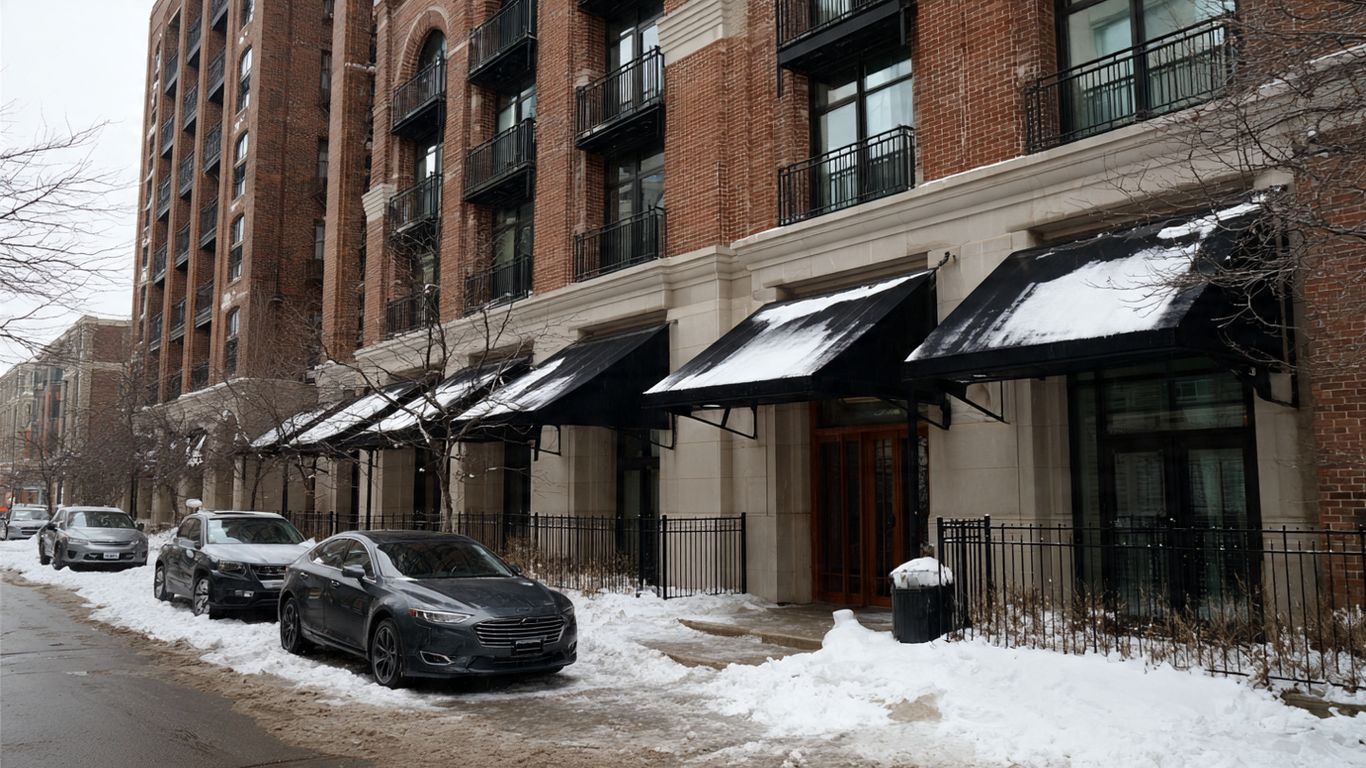
Chicago’s urban design is pretty famous, and honestly, it makes getting around way easier once you figure it out. The whole city is basically laid out on a grid, which sounds simple, but it’s actually a really smart system that helps keep things organized.
The Grid System of Chicago Streets
This grid system is the backbone of Chicago’s layout. It’s pretty straightforward: streets run north-south and east-west. The main reference point is the Chicago Union Station, and from there, everything is measured. Streets are numbered, and the further you go from the center, the higher the numbers get. This makes finding addresses a lot less of a headache than in some other cities. For example, State Street is the zero line for east-west streets, and Madison Street is the zero line for north-south streets. It’s a system that’s been in place for a long time and really defines how the city is structured.
Key Neighborhoods and Districts
Within this grid, Chicago is broken down into distinct neighborhoods, each with its own vibe. You’ve got the bustling Loop, the heart of downtown with its towering buildings and theaters. Then there’s Lincoln Park, known for its green spaces and zoo, and Wicker Park, a trendy spot with lots of independent shops and restaurants. Further out, you find residential areas like Hyde Park, home to the University of Chicago, and the vibrant ethnic enclaves scattered throughout the city. Each area has its own character, history, and community feel, making Chicago a city of many different worlds all rolled into one.
Understanding Chicago’s Wards and Sectors
To manage all these neighborhoods and ensure representation, Chicago is divided into 50 wards. These wards are overseen by aldermen who sit on the City Council. The city is also divided into sectors, which are larger geographical areas. This structure helps with city planning, service delivery, and political organization. It’s a way to make sure that even a massive city like Chicago can be managed effectively and that different parts of the city have a voice.
The city’s layout, with its clear grid and organized wards, is a testament to thoughtful urban planning. It creates a sense of order that, while sometimes feeling rigid, ultimately contributes to the city’s functionality and accessibility for millions of residents and visitors alike.
Here’s a quick look at how the city is generally divided:
-
North Side: Generally north of the Chicago River, known for parks and residential areas.
-
South Side: South of the Chicago River, historically industrial and now a mix of residential and cultural areas.
-
West Side: West of the Loop, a diverse area with a rich history.
This division, combined with the ward system, helps Chicago function as a well-organized metropolis.
Chicago’s Relationship with Waterways
Chicago’s identity is deeply intertwined with water. It’s not just about the aesthetics, though the city’s lakefront is undeniably beautiful. Water has shaped Chicago’s history, its economy, and even its physical layout.
The Importance of Lake Michigan
Lake Michigan is Chicago’s defining natural feature. It’s the city’s primary source of drinking water, a massive recreational playground, and a vital part of the regional ecosystem. The lakefront isn’t just a place for beaches and parks; it’s a massive public space that shapes daily life for millions. The sheer scale of Lake Michigan influences the city’s climate, bringing cooler breezes in the summer and moderating temperatures year-round. It’s also a major shipping route, connecting Chicago to the Great Lakes and, through canals, to the Atlantic Ocean.
The Chicago River System
While Lake Michigan is the star, the Chicago River system is the city’s circulatory system. Originally flowing naturally into Lake Michigan, the river was famously reversed in the late 19th century. This engineering marvel was done to prevent sewage from flowing into the city’s drinking water supply and instead directed it down the Des Plaines River, eventually reaching the Mississippi. Today, the river is a bustling waterway, a scenic spot for boat tours, and a key feature of the downtown landscape. It’s divided into the North Branch and the South Branch, creating distinct areas within the city.
Navigational Routes and Water Access
Chicago’s location on Lake Michigan makes it a critical hub for waterborne commerce and travel. The city is a major port, handling significant cargo. The Chicago Sanitary and Ship Canal connects the Chicago River to the Illinois River, forming a crucial link in the Illinois Waterway system. This waterway allows goods to be transported from the Great Lakes all the way to the Gulf of Mexico. For recreational boaters, the lake and river offer extensive access, with numerous harbors and marinas dotting the shoreline and riverbanks. This access is something many Chicagoans appreciate, whether they own a boat or just enjoy watching them.
The reversal of the Chicago River was a monumental feat of engineering, fundamentally altering the city’s relationship with its water and setting a precedent for large-scale urban environmental management. It’s a testament to Chicago’s history of innovation and problem-solving.
Here’s a quick look at some key water-related features:
-
Lake Michigan: Provides water, recreation, and influences climate.
-
Chicago River: Historically significant, now a scenic and commercial waterway.
-
Chicago Sanitary and Ship Canal: Connects the Great Lakes to the Mississippi River system.
-
Harbors and Marinas: Offer access for recreational boating along the lakefront and river.
For those looking to enhance their own outdoor spaces near the water, companies like Arkel Chicago Awnings & Canopies offer solutions to make patios and decks more enjoyable, providing shade and protection from the elements.
Climate and Environmental Factors

Chicago’s weather is a big part of what makes it, well, Chicago. It’s not just about the seasons; it’s about how those seasons feel and how they shape life in the city.
Seasonal Weather Patterns
Chicago experiences four distinct seasons, and each one has its own character. Summers are generally warm and humid, perfect for enjoying the lakefront, but sometimes bring thunderstorms. Fall is often crisp and beautiful, with colorful foliage, though it can turn chilly quickly. Winters are famously cold, with significant snowfall and freezing temperatures, making the city a true winter wonderland for some, and a test of endurance for others. Spring can be a bit of a mixed bag, often starting cool and wet before finally warming up.
Here’s a quick look at average temperatures:
|
Season |
Average High (°F) |
Average Low (°F) |
|---|---|---|
|
Winter (Dec-Feb) |
32 |
17 |
|
Spring (Mar-May) |
60 |
40 |
|
Summer (Jun-Aug) |
81 |
63 |
|
Fall (Sep-Nov) |
63 |
43 |
Wind Conditions and Their Impact
They don’t call it the Windy City for nothing! Chicago’s location on the shores of Lake Michigan plays a huge role in its breezy reputation. The lake effect can make winds feel stronger, especially along the lakefront. These winds can be refreshing in the summer, helping to cool things down, but they can also make winter feel even colder. Businesses and residents often put up windbreakers [a93d] to help manage the gusts, especially in outdoor dining areas or along exposed walkways.
The constant breeze, while sometimes bracing, is a defining characteristic of Chicago. It shapes everything from how buildings are designed to how people dress and the types of outdoor activities that are popular. It’s a force of nature that’s woven into the city’s identity.
Urban Heat Island Effect
Like many large cities, Chicago experiences the urban heat island effect. This means that built-up areas, with all their concrete, asphalt, and buildings, tend to be warmer than the surrounding rural areas, especially at night. The dense construction absorbs and retains more heat. This can make summer days feel even hotter in the city center compared to the outskirts. Efforts are being made to combat this, like increasing green spaces and using lighter-colored materials on roofs and pavements, but it’s a noticeable factor in the city’s overall temperature profile.
Transportation Hubs and Connectivity
Chicago’s location makes it a major player when it comes to getting around, both within the city and across the country. It’s not just a place people live; it’s a place people go through.
Major Airports Serving Chicago
When people think about Chicago’s transportation, the airports usually come to mind first. O’Hare International Airport (ORD) is one of the busiest airports in the world, handling a massive number of passengers and flights every single day. It’s a huge hub for international travel and domestic flights alike. Then there’s Midway International Airport (MDW), which is a bit smaller but still a very important airport, especially for certain airlines and routes.
-
O’Hare International Airport (ORD): A global gateway, serving as a primary hub for international and domestic travel. It’s known for its extensive flight network and passenger volume.
-
Midway International Airport (MDW): A significant airport, particularly for domestic travel, offering a more convenient option for many travelers within the US.
Rail Networks and Passenger Services
Beyond the skies, Chicago is also a massive hub for trains. Amtrak has a big presence here, with Union Station serving as a central point for many cross-country routes. If you’re looking to travel by train, chances are you’ll be passing through Chicago. The ‘L’, Chicago’s elevated train system, is also a vital part of the city’s daily life, connecting neighborhoods and making it easier to get around without a car.
The ‘L’ system is one of the oldest public transit systems in the United States, and its iconic elevated tracks are a defining feature of the city’s landscape. It’s a busy network, moving millions of people every week.
Interstate Highway Access
For those who prefer to drive or ship goods, Chicago’s highway system is pretty extensive. Several major interstates converge here, making it a key point for trucking and road travel.
-
I-90 (Kennedy Expressway/Jane Addams Memorial Tollway): Connects Chicago to the northwest, heading towards Wisconsin and beyond.
-
I-94 (Dan Ryan Expressway/Edens Expressway): Runs north-south through the city, linking it to Indiana and Wisconsin.
-
I-55 (Stevenson Expressway): Heads southwest, connecting Chicago to St. Louis.
-
I-57: Extends south from the city, providing access to downstate Illinois and beyond.
This network of roads means that getting goods and people into and out of Chicago by car or truck is pretty straightforward, which is a big reason why the city is such an important economic center. It’s all about connectivity, and Chicago has it in spades.
Exploring the Chicagoland Area
Chicago isn’t just a city; it’s the heart of a much larger region known as Chicagoland. This sprawling metropolitan area extends far beyond the city limits, encompassing a diverse mix of communities, economies, and landscapes. Understanding this broader context is key to truly grasping Chicago’s place in the world.
Defining the Metropolitan Area
The term “Chicagoland” generally refers to the Chicago-Naperville-Elgin, IL-IN-WI Metropolitan Statistical Area (MSA). This officially recognized region includes the city of Chicago and its surrounding counties in Illinois, as well as a small portion of Indiana and Wisconsin. It’s a vast territory, home to millions of people who are connected by shared infrastructure, economic ties, and cultural influences.
-
Population: Over 9.4 million people call Chicagoland home, making it one of the most populous metropolitan areas in the United States.
-
Land Area: The MSA covers a significant geographical footprint, stretching across numerous counties and offering a wide variety of environments, from dense urban cores to sprawling suburbs and rural outskirts.
-
Economic Engine: Chicagoland functions as a major economic hub for the Midwest, with diverse industries ranging from finance and manufacturing to technology and healthcare.
Suburban Communities and Their Relation
The suburbs are an integral part of the Chicagoland story. These communities, ranging from bustling inner-ring suburbs to more distant exurbs, offer different lifestyles and amenities. Many residents commute into the city for work, entertainment, or cultural events, while others find employment within their own suburban centers. The relationship between the city and its suburbs is dynamic, with ongoing development and evolving needs shaping the region.
The suburbs aren’t just bedroom communities; they are vibrant centers with their own unique identities, economies, and cultural scenes. They contribute significantly to the overall character and economic output of the greater Chicago region.
Regional Economic Ties
The economic health of Chicagoland is deeply interconnected. Businesses often operate across city and suburban lines, with supply chains and workforces spanning the entire metropolitan area. Major transportation networks, including airports, rail lines, and highways, facilitate this movement of goods and people, further strengthening the region’s economic bonds. Companies like Arkel Chicago Awnings & Canopies, for instance, serve both the city and its surrounding suburbs, highlighting this interconnectedness in local business operations. This regional cooperation is vital for continued growth and prosperity.
|
Sector |
Estimated Employment (Chicagoland) |
|---|---|
|
Manufacturing |
~300,000 |
|
Healthcare & Social Assistance |
~700,000 |
|
Retail Trade |
~500,000 |
|
Professional & Business Services |
~600,000 |
|
Transportation & Warehousing |
~250,000 |
Thinking about adding some shade or a cool new look to your home or business in the Chicagoland area? We can help you create custom awnings and canopies that are both stylish and useful. Whether you want to make your patio more comfortable or need a sturdy carport, we’ve got you covered. Visit our website today to see how we can transform your space!
Wrapping It Up
So, there you have it. Chicago isn’t just a dot on the map; it’s a major hub nestled right by Lake Michigan in Illinois. We’ve talked about its spot in the Midwest, how the lake shapes its weather, and even touched on how businesses like Arkel Chicago Awnings & Canopies work with the city’s environment. Whether you’re planning a visit or just curious, knowing where Chicago is and what makes its location special really paints a clearer picture of this big, bustling city. It’s a place with a unique geography that definitely plays a role in its identity.
Frequently Asked Questions
Where is Chicago located in the United States?
Chicago is a major city located in the northeastern part of Illinois, right on the southwestern tip of Lake Michigan. It’s a key city in the Midwest region of the U.S.
What is Chicago’s relationship with Lake Michigan?
Lake Michigan is super important to Chicago! It provides the city with its drinking water and is a big reason why Chicago became a major transportation hub. The lakefront also offers beautiful parks and recreation areas for everyone to enjoy.
How is Chicago’s street system organized?
Chicago is famous for its grid system. Most streets run north-south or east-west, making it pretty easy to find your way around once you get the hang of it. It’s like a giant checkerboard!
What is the weather like in Chicago?
Chicago has four distinct seasons. Summers can be warm and humid, while winters are cold with snow. Spring and fall are usually mild and pleasant. The city is also known for its windy conditions, especially near the lake.
Is Chicago a good place for transportation?
Yes, Chicago is a major transportation center. It has two big airports (O’Hare and Midway), a large network of trains for both commuting and long-distance travel, and easy access to major highways, making it easy to get to and from the city.
What is the ‘Chicagoland’ area?
‘Chicagoland’ refers to the wider metropolitan area around Chicago. It includes the city itself and many surrounding suburbs and towns in Illinois and sometimes parts of Indiana and Wisconsin. These areas are all connected by jobs, transportation, and culture.